In 2014 at NeurIPS in Montreal, Ilya Sutskever, Oriol Vinyals, and Quoc Le presented “Sequence to Sequence Learning with Neural Networks” — the paper that showed encoder–decoder LSTMs could translate French to English end-to-end and, in doing so, planted the seed of the scaling hypothesis. In December 2024 the paper won the NeurIPS Test of Time Award and Sutskever came back on stage to look at that decade with 10 more years of hindsight. Twenty-four months later, this talk still sits at the center of every LLM strategy conversation — worth revisiting.
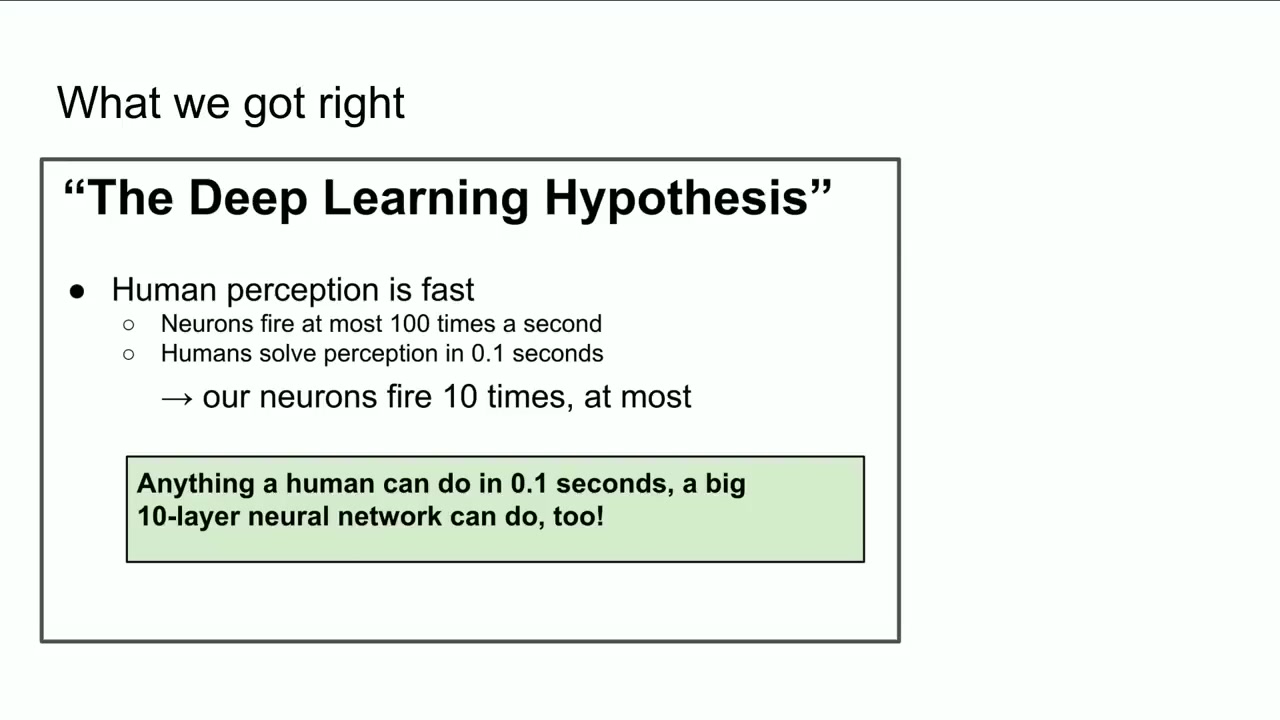
The 2014 thesis in one sentence
Sutskever recaps the original bet almost dismissively: “a large neural network and a large dataset — that’s it.” The framing at the time was radical because the field’s default was engineered pipelines. The 2014 talk quietly asserted that if a next-token autoregressive model predicts well enough, it will implicitly learn the true distribution over sequences — and that was almost a new idea.
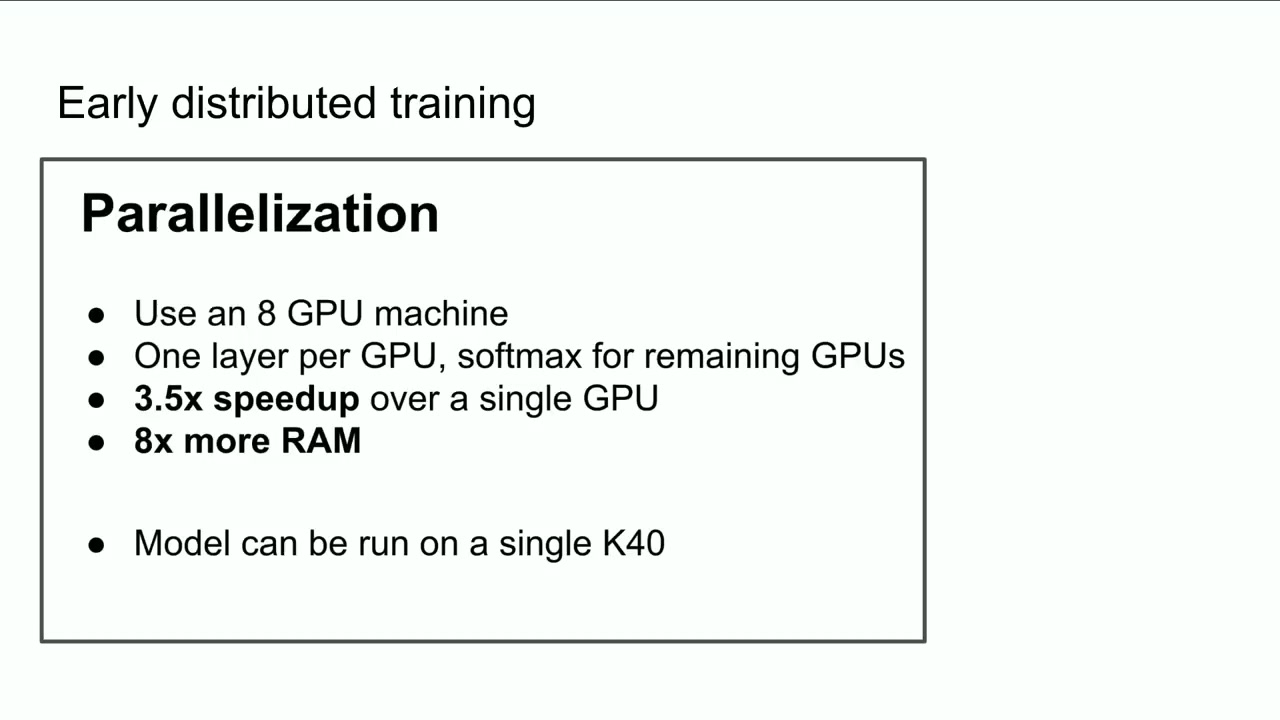
The specifics dated fast — LSTMs, pipelines to shard across GPUs, tricks to make 8-layer models trainable — but the recipe (scale a differentiable model on a big enough dataset with an autoregressive loss) didn’t.
The scaling hypothesis, retroactively named
Sutskever credits the 2014 paper with articulating what would later be called the scaling hypothesis: if you have a very big dataset and you train a very big neural network, then success is guaranteed. He is careful to attribute the formalization of scaling laws to his former collaborators Alec Radford and the Kaplan-et-al line of work — but the intuition was already there in 2014.
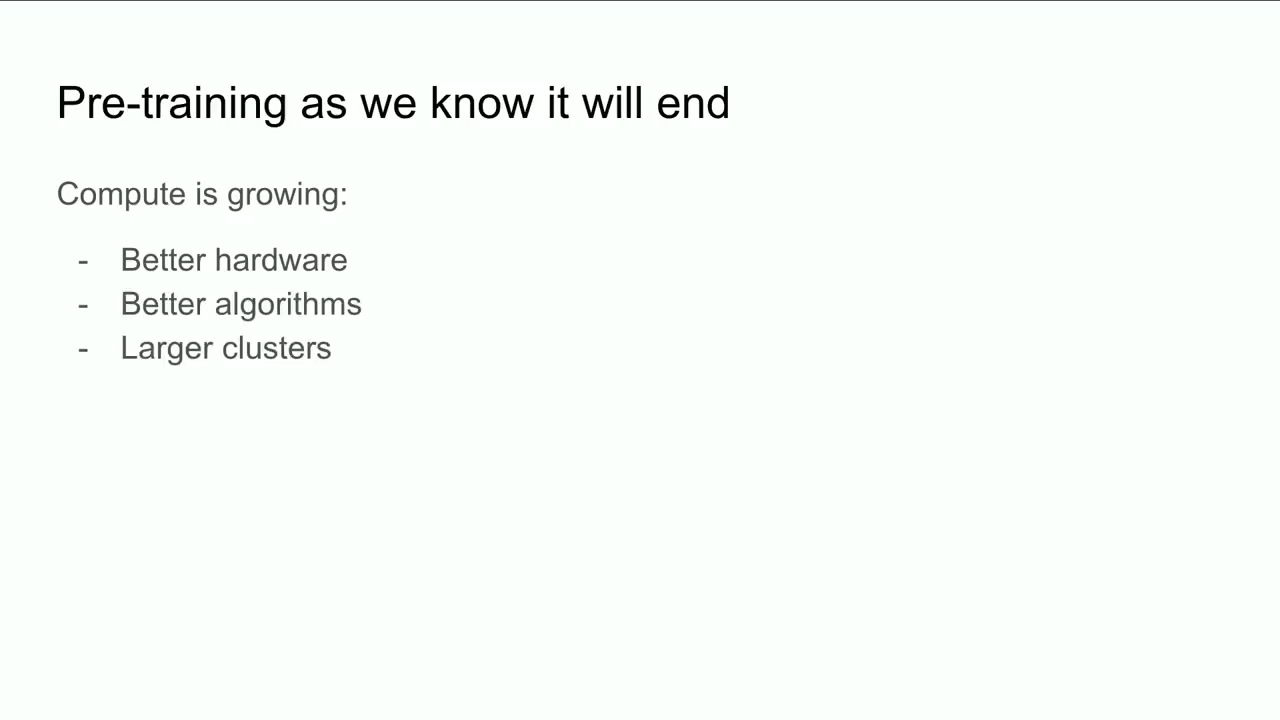
The interesting move is his hedge: the scaling hypothesis worked because the internet gave us essentially unlimited text. That resource is finite.
The declaration: pre-training as we know it is over
The line that made this talk go viral: “We’ve achieved peak data and there’ll be no more.” Compute keeps growing — GPUs, clusters, algorithmic efficiency all keep improving — but there’s only one internet. The pre-training paradigm as we’ve known it, Sutskever says plainly, is ending.
This is not a doom claim. It’s a phase transition claim: the next order of magnitude of capability won’t come from scraping more tokens. It has to come from somewhere else.
What comes next — his three bets
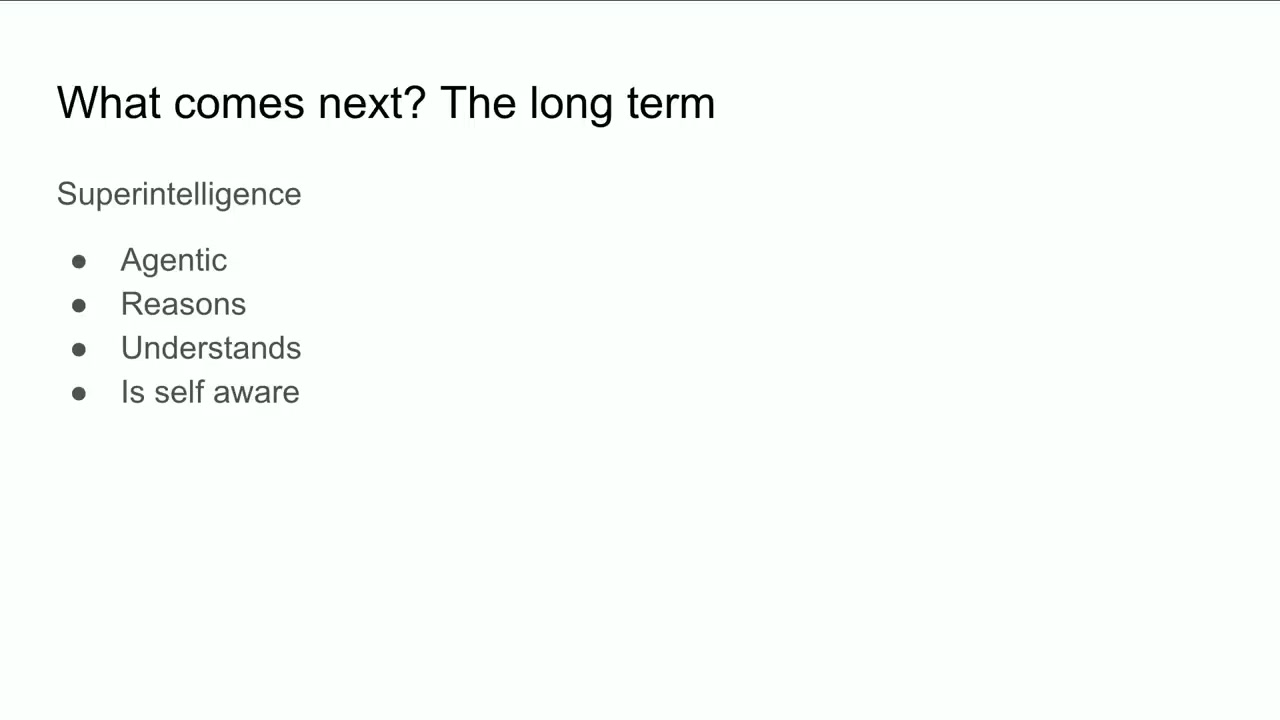
Sutskever explicitly refuses to over-predict, but names the three directions everyone else is pointing at:
- Agents — “something something agents” (his phrasing) — the vague-but-inevitable direction where models take actions, close loops, generate their own trajectories.
- Synthetic data — everyone knows the word, nobody yet knows the recipe. Figuring out what synthetic data actually means, at scale, without collapse, is the open problem.
- Inference-time compute — o1-style reasoning was the vivid recent example in December 2024. Spending more compute at test time rather than at training time.
He is deliberately non-committal about which wins. His actual claim is meta: the field is doing exactly what it should be doing — trying everything, because we’re at the end of one paradigm and the beginning of another.
The bigger reframe — generalization has moved
The subtle part of the talk is his reflection on generalization itself. Before deep learning, “generalization” meant: is this exact phrase in the training set? Post-transformers, models score high on math olympiad problems that “someone probably discussed on some forum” — is that generalization or memorization? Sutskever’s honest answer: our standards for generalization have moved dramatically, and by the modern bar, models still generalize worse than humans in ways that matter.
He closes on superintelligence — reasoning, self-awareness, agency — framed not as prediction but as the natural endpoint if the next paradigm delivers even fraction of what pre-training delivered.
Why this talk still matters in mid-2026
Eighteen months on, every AI lab strategy conversation still runs through the three post-pre-training directions Sutskever named. The synthetic-data breakthrough hasn’t landed the way people hoped. Test-time compute (o1, o3, Opus 5) is the direction that shipped hardest. Agents is the direction that shipped loudest. The frame Sutskever gave — we’re between paradigms — is the one everybody borrowed.
Key takeaways
- The 2014 seq2seq paper’s real contribution was the scaling hypothesis, not the LSTM architecture — the architecture was replaced within three years, the hypothesis wasn’t.
- “There’s only one internet.” Pre-training scaling was bounded by data, not compute, and we’ve hit the bound.
- The three post-pre-training bets are agents, synthetic data, and inference-time compute — every serious lab is investing in some mix of these.
- Sutskever refuses to predict which wins. The interesting posture for practitioners is the same: cover multiple bets.
- Our definition of generalization has drifted — high scores on benchmarks are ambiguous evidence when the training set is the internet.
- The talk is a phase-transition declaration, not a doom claim. The next capability curve exists; it just has a different shape than the last one.
- The most valuable trait for a researcher right now is willingness to work on paradigms that aren’t yet legible — the recipe that wins the next decade probably doesn’t exist yet.
Source
- Title: Sequence to Sequence Learning with Neural Networks: What a Decade
- Speaker: Ilya Sutskever
- Venue: NeurIPS 2024, Vancouver — Test of Time Award talk
- Duration: 25 min
- URL: https://www.youtube.com/watch?v=1yvBqasHLZs