
Anjney Midha (AMP, formerly a16z, board member at several frontier labs) sits down with Latent Space for an hour on a question that wouldn’t have made sense in 2023: why are well-funded AI labs with all the compute they need failing to ship? His answer isn’t compute, it isn’t talent density, and it isn’t model architecture — it’s culture, mission alignment, and the boring details of execution.
The diagnosis: culture, not capital

Midha opens with the observation that has been circulating quietly inside frontier-lab boards for months: many of the best-funded labs of the 2024–2025 cohort have all the cash and all the compute they need and still can’t ship competitive models. People leave; momentum evaporates. His framing:
“If you stop taking the actions that demonstrate the mission alignment you’ve stated to your team and to the world matters to you, then your culture starts to fray.”
It’s a soft claim that turns hard quickly: every lab Midha names as struggling has visibly drifted from its founding mission statement in the last twelve months.
Two regimes: integration vs. pooling
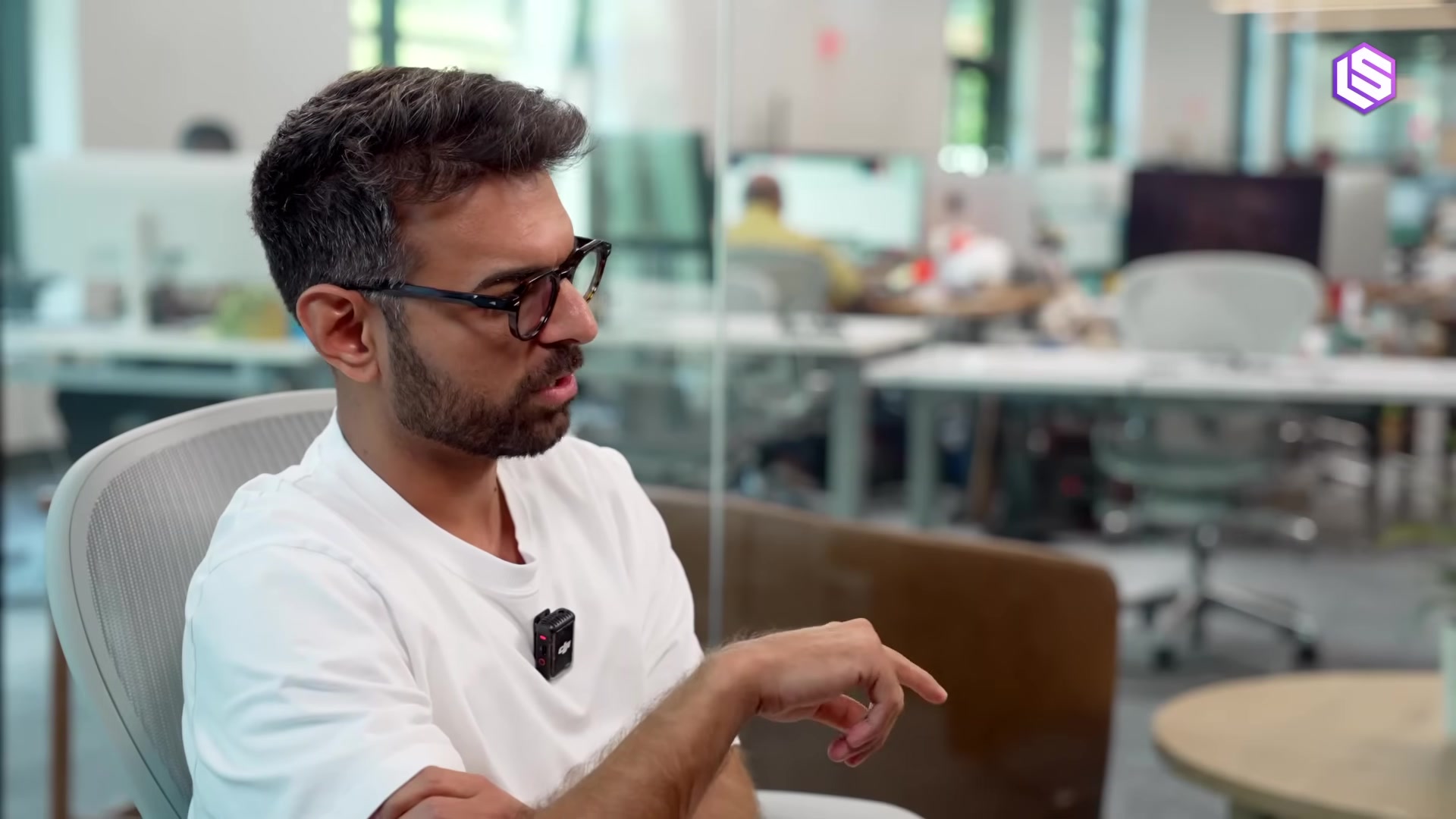
The most useful conceptual frame in the conversation is the integration vs. pooling distinction for how labs organize compute, research, and product. Vertically integrated labs (DeepMind-era Google, early OpenAI) own the substrate top-to-bottom and pay the coordination tax. Pooled labs share infrastructure across many small teams and pay a different tax — context loss across team boundaries. Both work, neither works automatically, and choosing the wrong shape for your size is a slow-motion failure mode.
The health-systems perspective
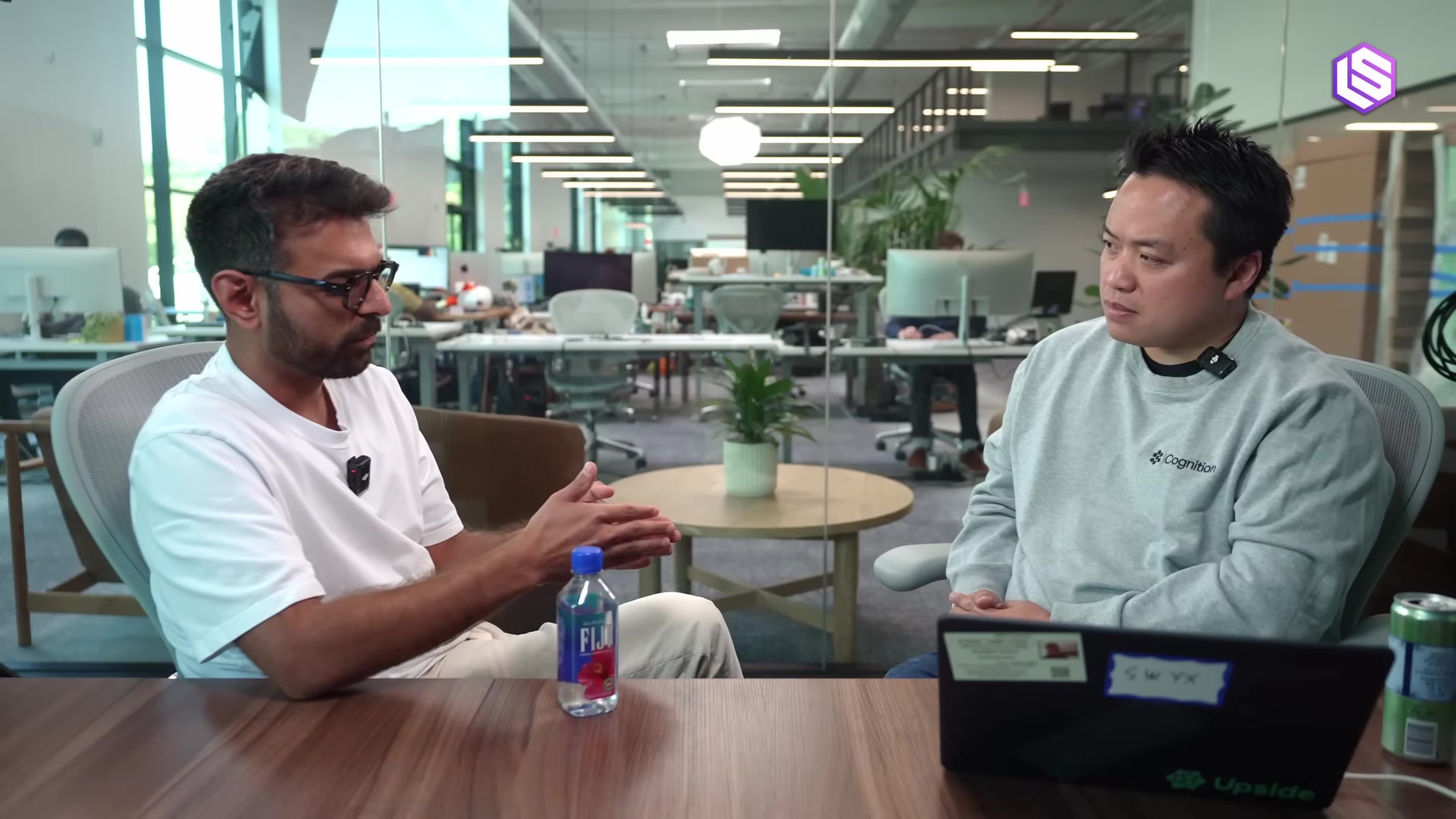
Midha pulls in an analogy from medicine: physicians often feel they need to over-test and over-treat because the local incentive (cover your back) is misaligned with the global outcome (lower-cost, healthier population). Frontier labs have the same problem at every level — researchers locally optimize for paper publishability, infra teams locally optimize for utilization, product teams locally optimize for launches. The labs that win in 2026 are the ones that have built explicit global-objective rituals that override local ones.
Why “doubling down on the transformer” was the right call

A striking aside: Midha defends the industry’s apparent monoculture around transformers as correct, not a failure of imagination. The argument is velocity: “We don’t have enough talent, enough compute, enough engineering hours, to afford 50 different architectures where there isn’t enough standardization.” Picking one and doubling down is what unlocks the systems-software, kernel, and tooling investment that compounds. He’s open to other architectures becoming viable later — but only after the substrate is mature enough that the comparison is fair.
On the GPU squeeze (it’s worse than you think)
A topical detour: as of recording, the compute crunch Midha is seeing privately is more severe than the public reporting suggests. He gets text messages from founders “who’ve raised billions of dollars in San Francisco” asking if he has 15 spare H-series nodes for the next few weeks. Excess capacity that was supposed to land by end-of-year has been pre-consumed.
Standardization as a feature, not a bug

Counterintuitively, the standardization around NVIDIA’s reference rack is what enables the alternative-silicon ecosystem rather than killing it. Midha cites Matrox (founded by Reiner Pope): they chose the NVIDIA reference architecture as their physical footprint specifically so their chips drop into any site with an NVIDIA bring-up plan. The chip team can then focus innovation on systems co-design — where the real performance gains are — instead of “fighting on every front.”
“You can’t fight on every front. Whoever will host them — that’s not my focus.”
What kills labs, in order
Stitching the conversation together, Midha’s implicit ranking of lab-killing failure modes in 2026:
- Mission drift (founders chasing the latest revenue narrative instead of the original technical bet)
- Local-objective rituals overriding global ones (paper count, utilization, launch count)
- Wrong organizational shape for current size (integrated when you should be pooled, or vice versa)
- Cross-team context loss (the slow tax that nobody attributes correctly)
- Architecture FOMO (chasing the next paradigm before the substrate for the current one is even mature)
Closing

The closing pitch is investor-speak but lands: “The cultures you invest in end up being the most” — durable, in context. Translation: cap tables and GPU counts don’t predict 2027 lab survival; codified mission alignment and global-objective rituals do.
Key takeaways
- The 2026 lab failure mode is cultural, not material. Money and GPUs are necessary but no longer sufficient.
- Integration vs. pooling is the org-shape decision that determines whether your coordination tax kills you slowly or quickly.
- Local-incentive misalignment is the silent killer. Researchers, infra, and product each optimize their own metric; nobody owns the global one.
- Monoculture on transformers is rational, not lazy. Standardization is what unlocks the systems-software flywheel.
- The GPU crunch is worse than reported. Pre-promised capacity has already been consumed.
- Standardized substrates enable alternative-silicon innovation, not the opposite. Matrox plugs into NVIDIA reference racks on purpose.
- Mission drift is observable in real time — if the founder’s public statements have moved more than the engineering roadmap, the lab is already in trouble.
Source
- Title: Why AI Labs With Unlimited GPUs Still Fail
- Speaker: Anjney Midha (AMP), interviewer Latent Space
- Venue: Latent Space podcast
- Duration: 1h 0m
- URL: https://www.youtube.com/watch?v=h5dlIPM0X18