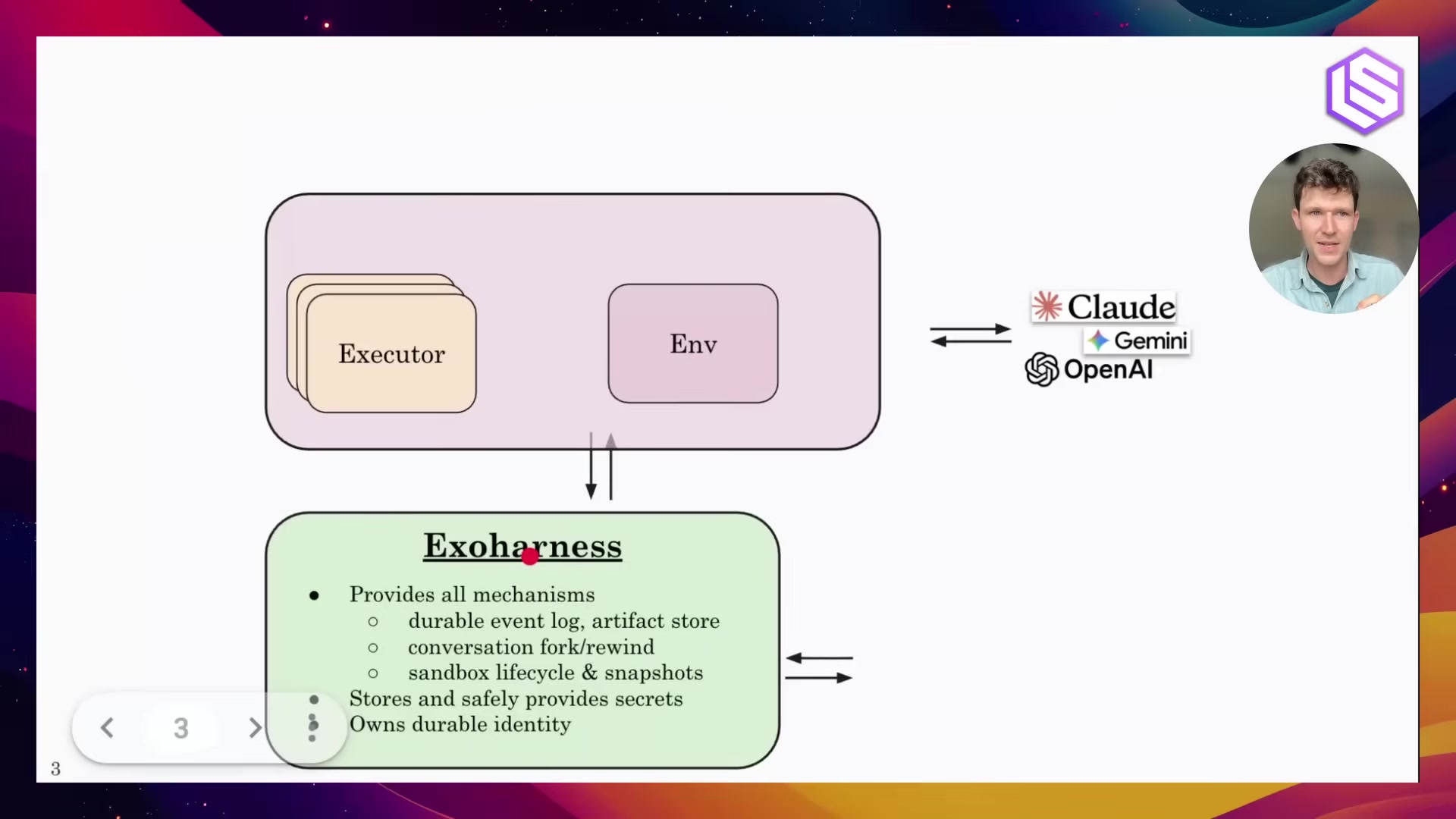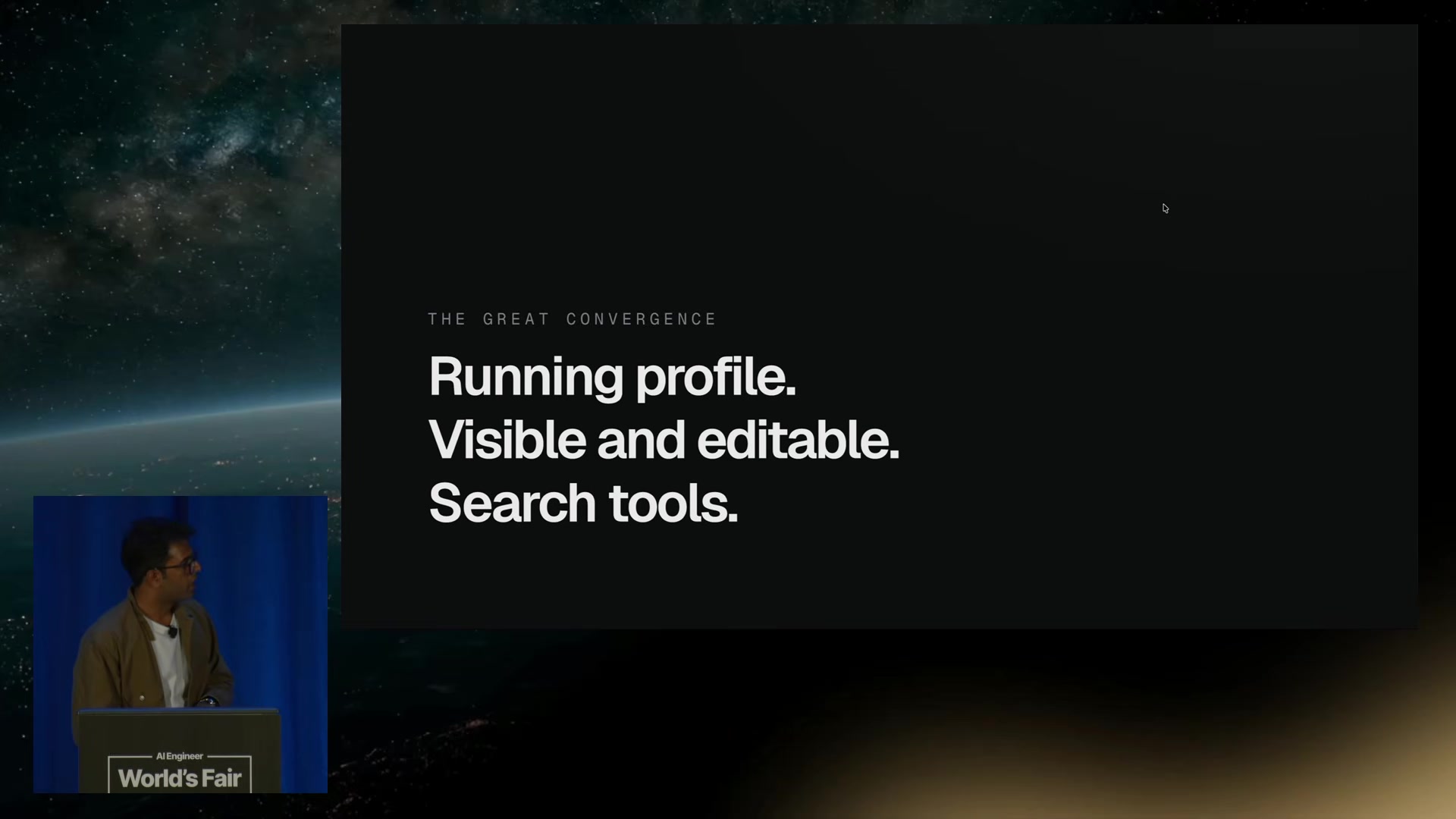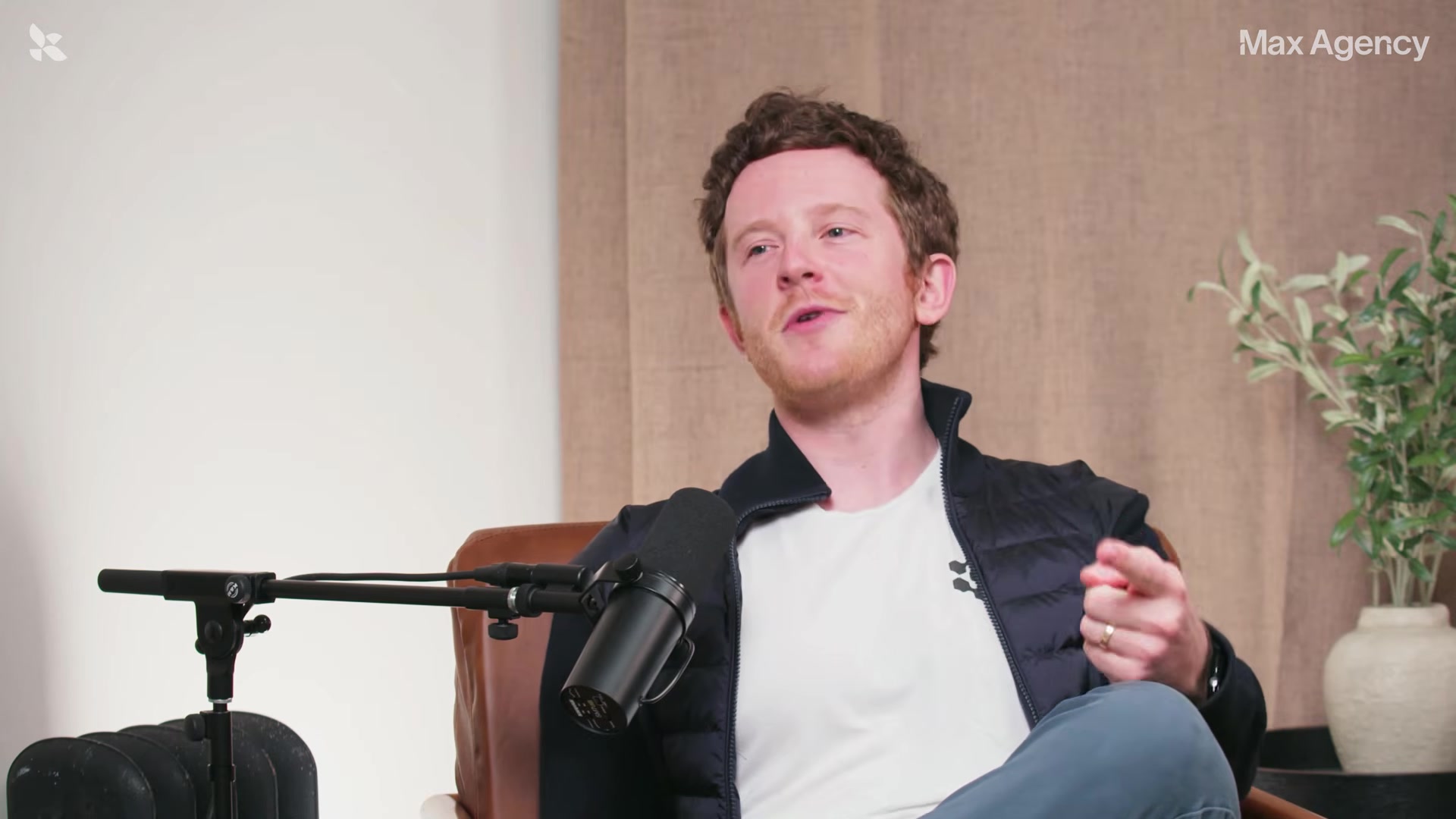
Slide showing the convergence of ChatGPT, Claude and Gemini memory architectures

Lessons from Studying Every Memory System

Weekly Video Notes — a short article distilling one talk from the weekly digest. Source video and key frames embedded throughout. Memory was the theme running through the whole conference, and this 19-minute talk is the most empirically grounded take on it. Shlok Khemani, working independently, did something nobody else bothered to do: he sat down and reverse-engineered the memory systems of the major consumer AI products — ChatGPT, Claude, Gemini, Poke — by probing them, extracting raw profiles, and reading the tool calls....

August 15, 2026 · 6 min · AI Assistant
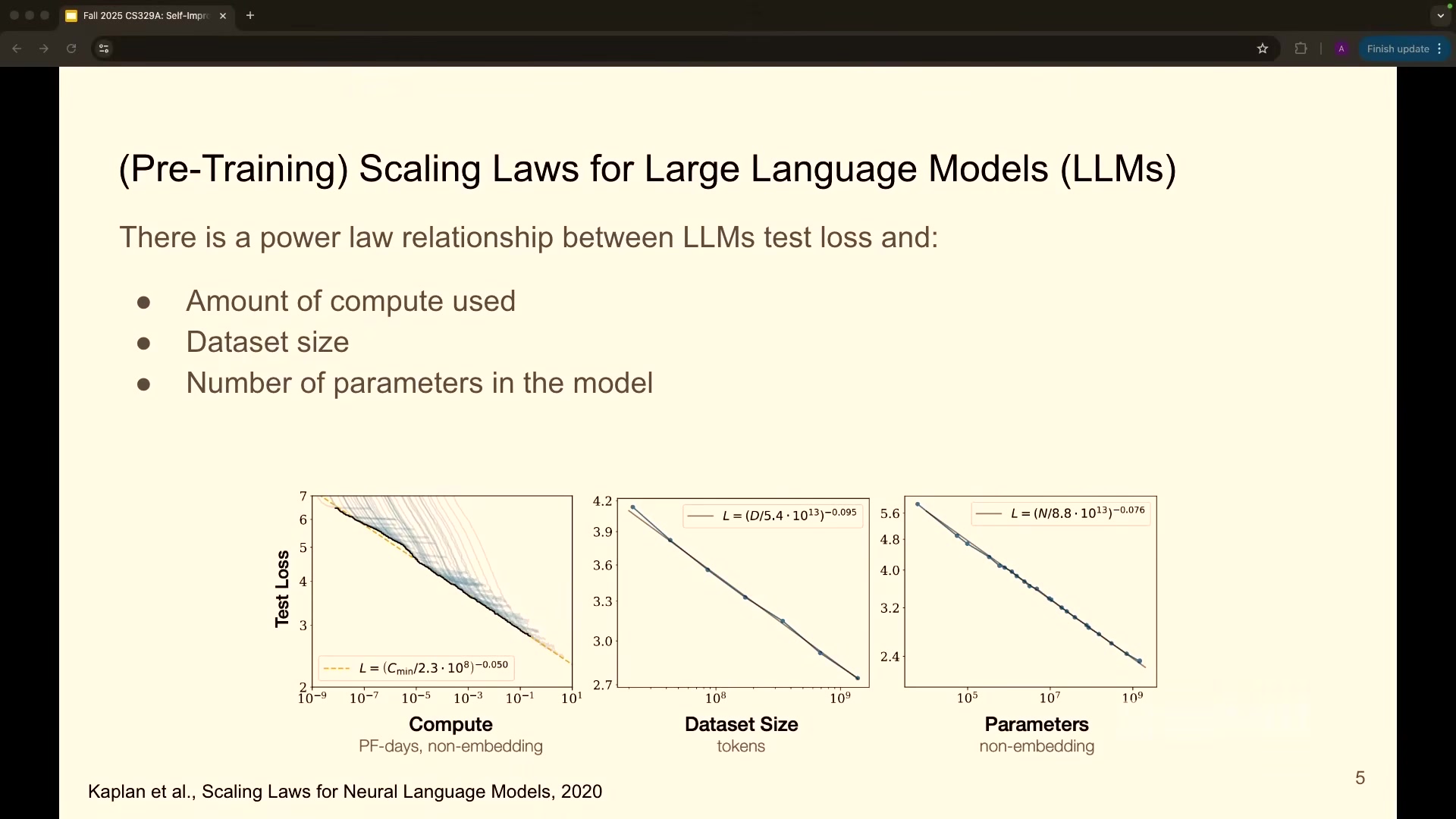
Scaling law curves showing test loss decreasing with compute, dataset size, and parameter count

Stanford CS329A: Self-Improving AI Agents — Course Overview

Stanford’s CS329A is one of the few graduate courses aimed squarely at the thing practitioners are actually building right now: agents that improve themselves. This first lecture is the map — a compressed tour from GPT-3-era scaling laws to the agentic loop inside Claude Code, delivered by two instructors who worked on the models in question. Akanksha Chowdhery is an adjunct professor at Stanford and researcher at Reflection AI; Azalia Mirhoseini is an assistant professor in the CS department who worked on Gemini at Google DeepMind and on Claude at Anthropic....

August 8, 2026 · 7 min · AI Assistant
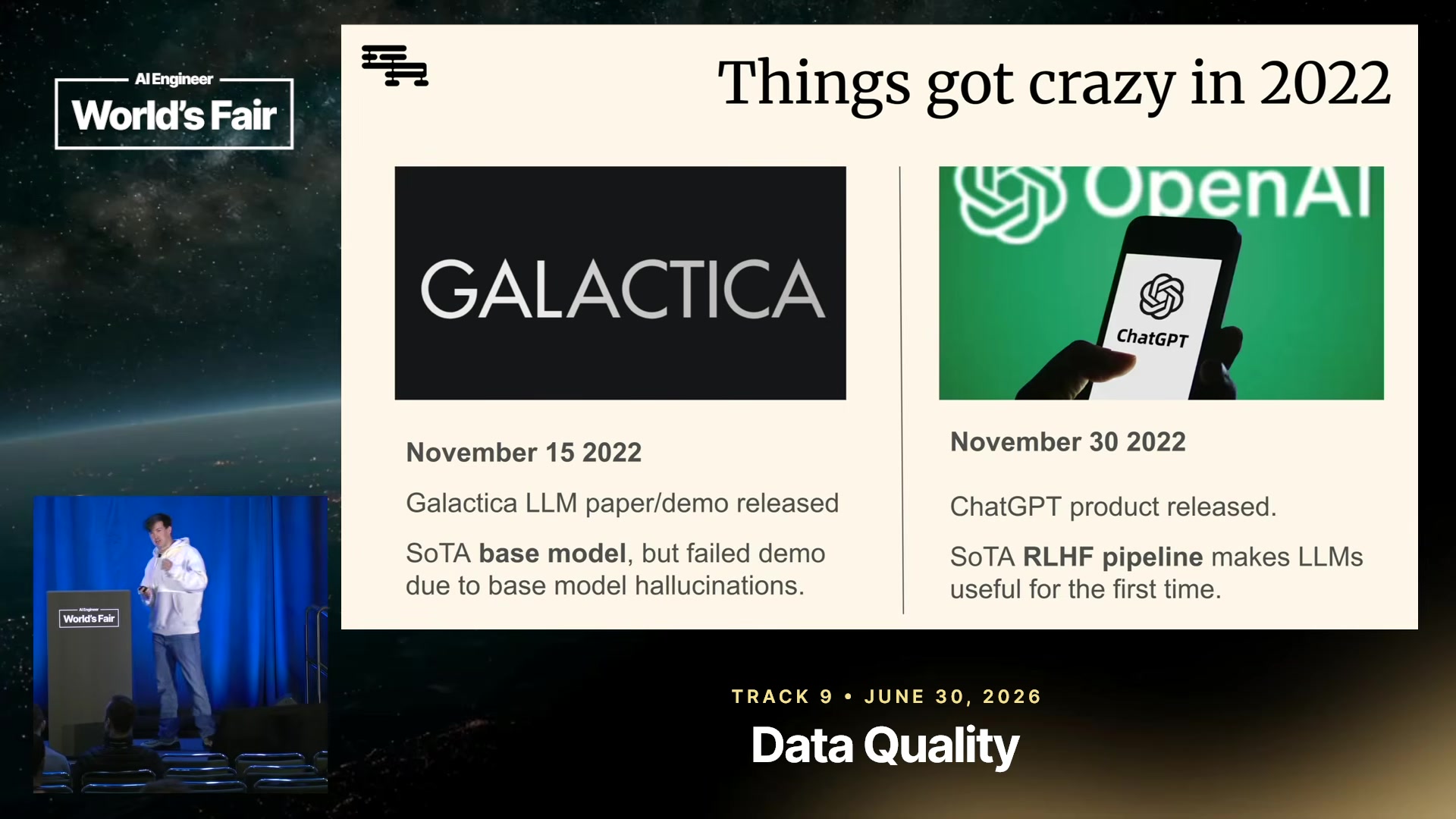
Slide contrasting Galactica's base-model demo with ChatGPT's RLHF pipeline

Scaling to Long Horizons: What Galactica Taught Us About RL

Most retellings of the modern AI wave start with ChatGPT arriving out of nowhere in November 2022. Ross Taylor has a different vantage point: he shipped a competing language model two weeks earlier, watched it get torn apart in public, and spent the following four years working out exactly why. This talk is the compressed version of that education — half war story, half technical agenda for what comes after the current generation of agents....

August 1, 2026 · 7 min · AI Assistant
Discussion of the Frontier Code eval and mergeability

The Misaligned Incentives Behind AI Coding Agents

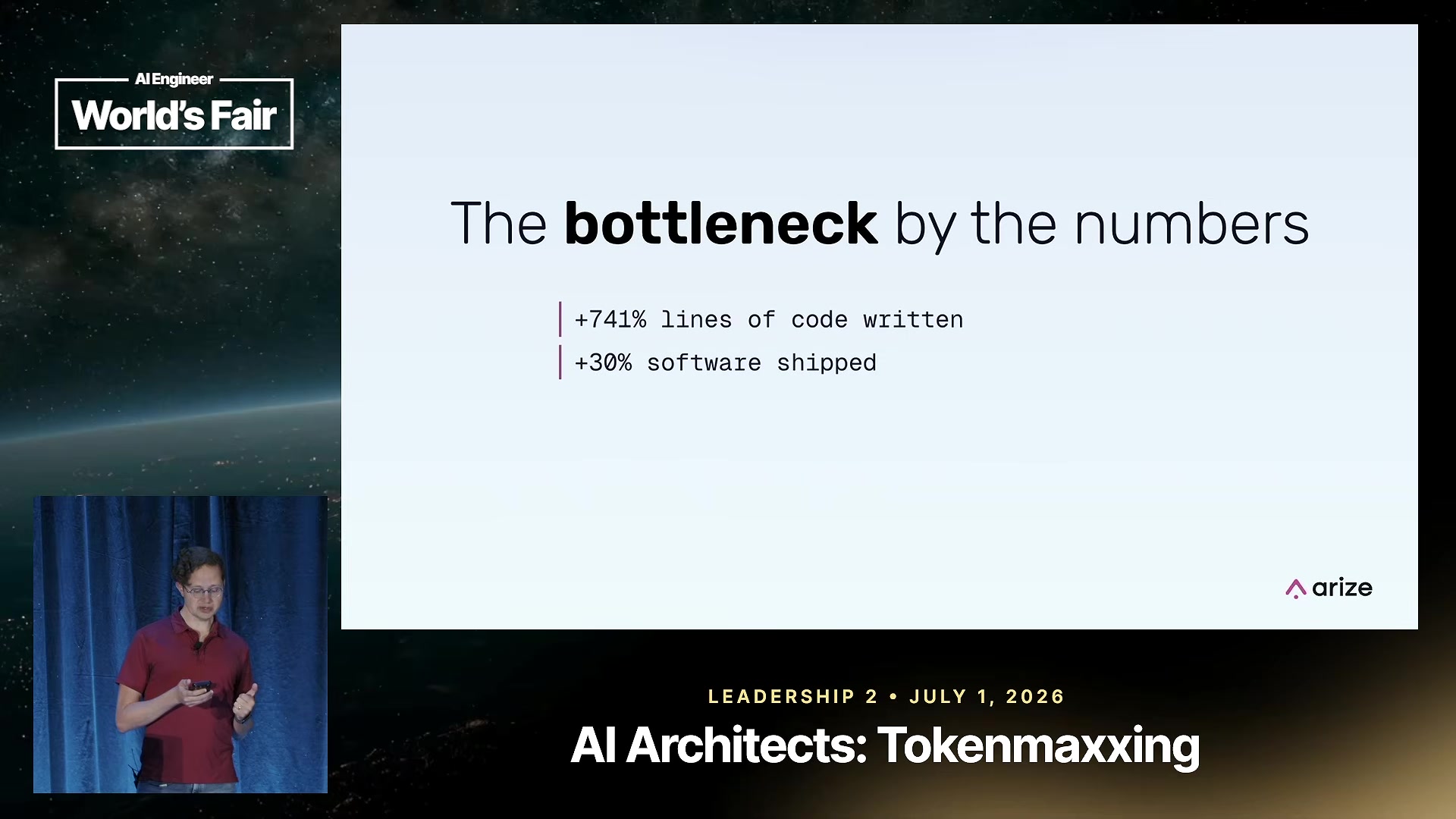
Two and a half years after the Devin demo went viral at 13% on SWE-bench, Cognition president Russell Kaplan sits down with Harrison Chase for the most candid accounting yet of what running coding agents at enterprise scale actually costs — and why the industry’s incentives are quietly pointed in the wrong direction. The central claim: a lot of the ecosystem is structurally motivated to get customers to token-max, and the bill is now coming due....

August 1, 2026 · 8 min · AI Assistant
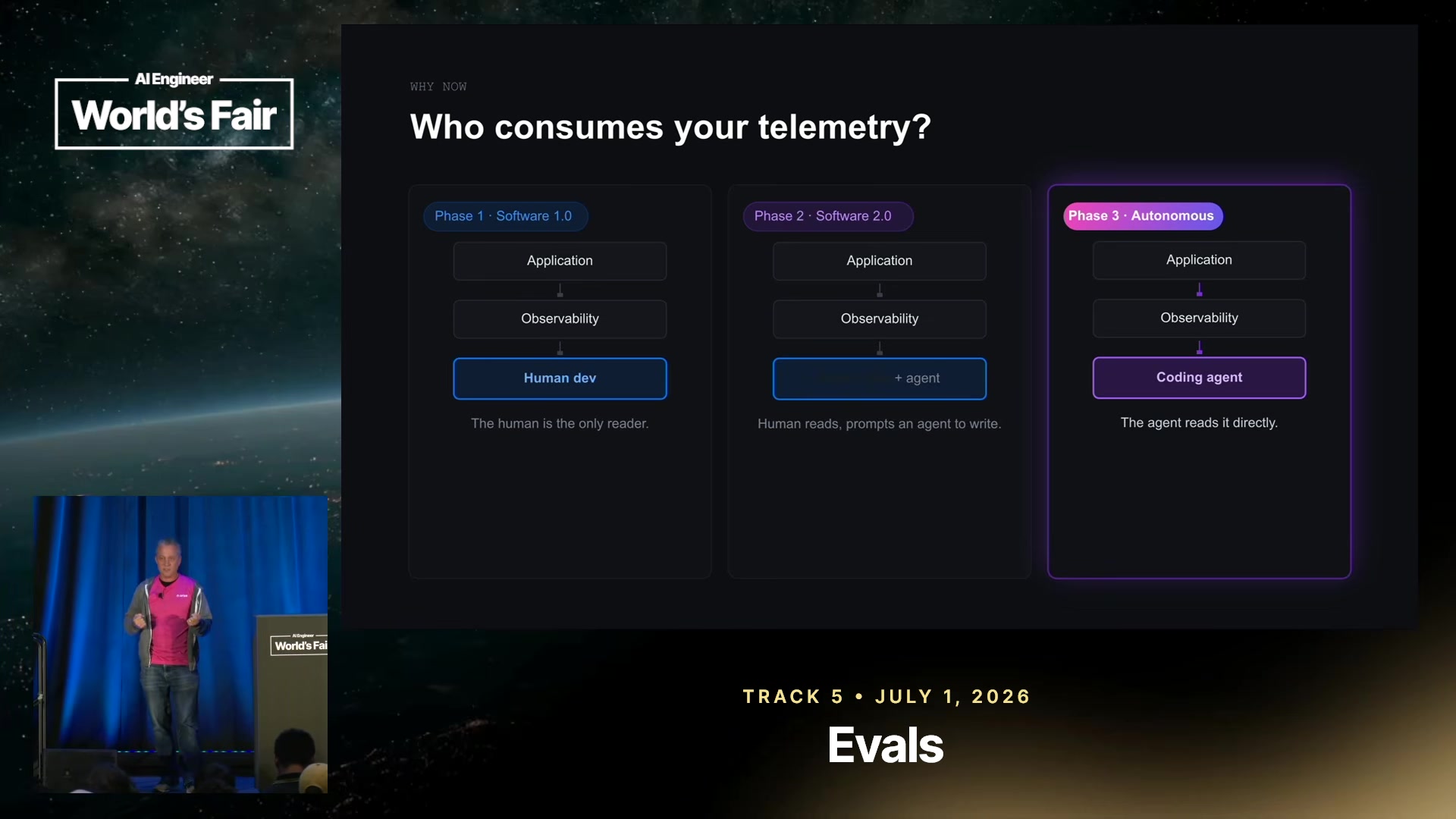
Jason Lopatecki on stage at AI Engineer, showing the agent observability stack

From Signal to PR: Anatomy of a Self-Improving Agent

Jason Lopatecki, founder of Arize, opens by noting that his own team’s first agent “frankly sucked” — and that everything they’ve built since is downstream of debugging that failure in production. His AI Engineer talk lays out a concrete pattern for agents that repair themselves: production signal (traces, evals, human labels) feeds a second agent that opens pull requests against the first agent’s own prompts, tools, and skills. It’s the operational shape of the “self-improving system” idea, minus the hand-waving....

July 25, 2026 · 4 min · AI Assistant
LangSmith Agent Development Lifecycle overview slide

The Art of Loop Engineering: Building Agents That Improve Over Time

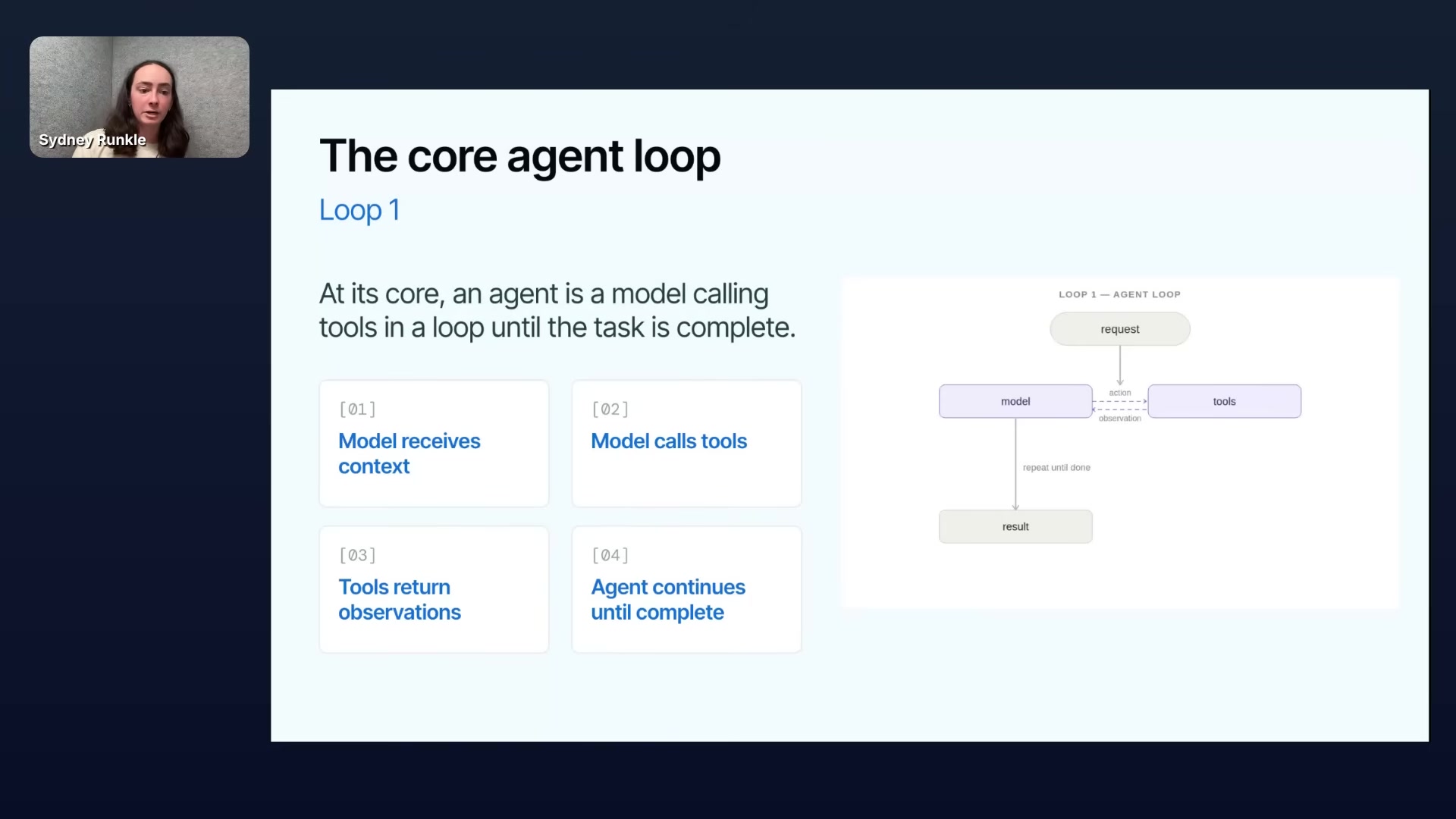
Prompt engineering was the primitive of 2023, context engineering owned 2024–2025, and 2026 is settling on a new one: loop engineering — the discipline of designing the feedback loops that surround an agent, not just the agent itself. Sydney Runkle (PM on LangChain’s open-source team) makes the case in this webinar that the durable advantage is never the agent, it’s the loops built around it. Why loops, not agents Runkle opens with a simple framing: a model has some fixed level of intelligence; a harness wrapped around it converts that intelligence into useful work on a specific problem....

July 25, 2026 · 4 min · AI Assistant
Philipp Schmid presenting 'Don't Ship Skills Without Evals' at AI Engineer Summit

Don't Ship Skills Without Evals

Agent “skills” — reusable folders of instructions, scripts, and assets that a model loads on demand — have quietly become the packaging unit of the agent ecosystem. Philipp Schmid opens this AI Engineer talk with a brutal statistic from Skills Bench v1.1: of 50,000+ published skills, almost none have evals. Most were AI‑written and never tested. And because agents are non‑deterministic, without evals you have no way to tell whether a failing task is your skill’s fault, the model’s fault, or just noise....

July 18, 2026 · 6 min · AI Assistant
Geoffrey Litt opening slide — 'I think it is still important for people to understand how code works.'

Understanding Is the New Bottleneck

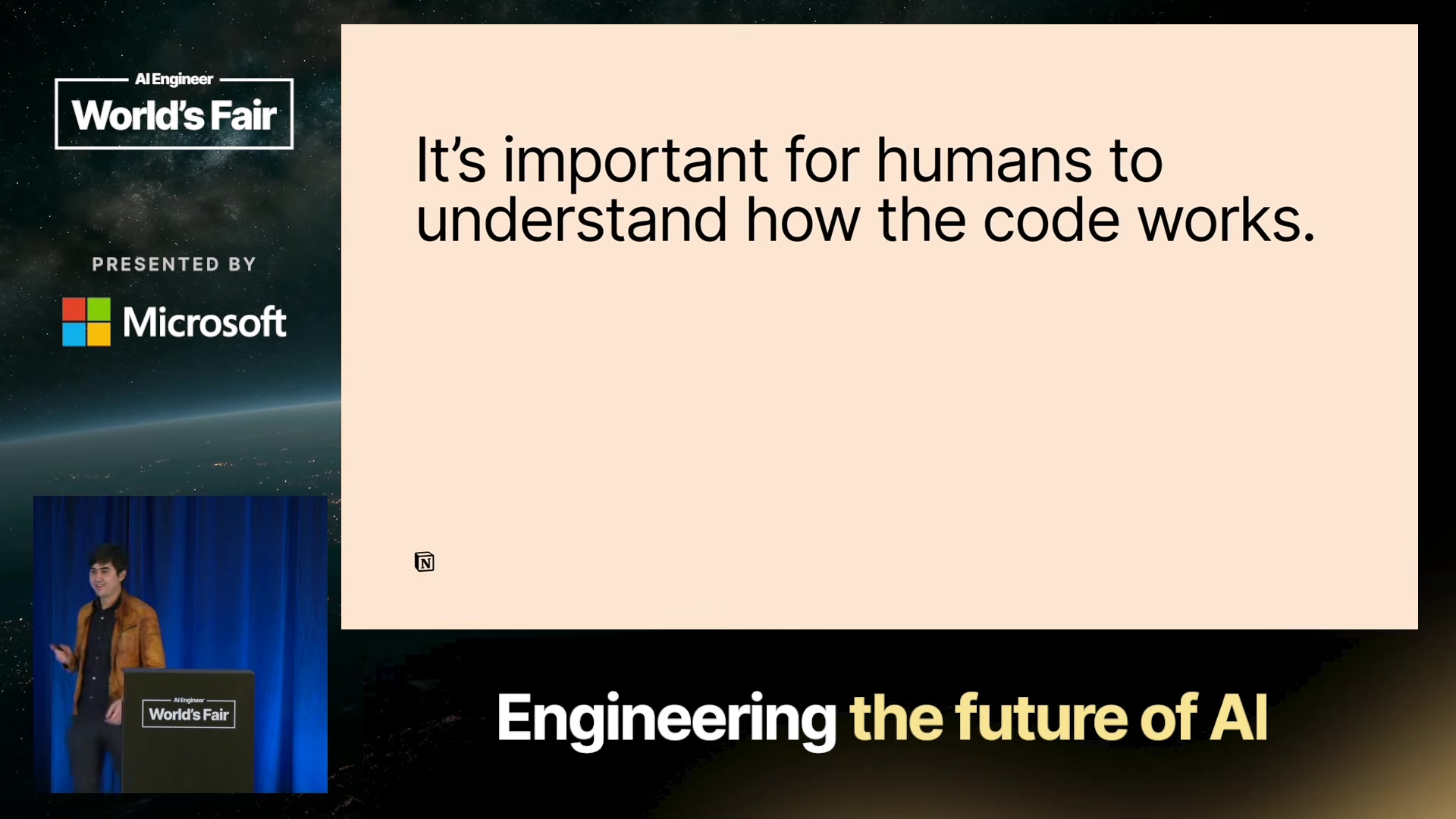
Geoffrey Litt — design engineer at Notion, ex-Ink & Switch — opened the AI Engineer Design Engineering track with what he called a hot take: in 2026, it is still important for humans to understand how their code works. The framing sounds obvious until he lands the actual claim: agents are now writing 50,000-line PRs, and the practices that let a person stay a genuine participant in that project are not the practices that used to work....

July 11, 2026 · 4 min · AI Assistant
Colin Flaherty explaining static vs dynamic sub-agents in Deep Agents

Dynamic Subagents: How to Run Parallel Agents Reliably in Deep Agents

Multi-agent architectures have quietly become the default for anything more ambitious than a single-turn chat, but when to reach for them — and how to keep them from blowing up your token budget — is still guesswork in most codebases. In this 26-minute LangChain talk, Colin Flaherty lays out a clean, prescriptive mental model built on top of Deep Agents: sub-agents are just a way to parallelize work and control what returns to the parent context, and there are exactly four patterns worth memorizing....

July 4, 2026 · 5 min · AI Assistant
Gavriel Cohen on Latent Space discussing NanoClaw's Karpathy-inspired origin

The Blueprint for Autonomous Work Agents — Gavriel Cohen, NanoClaw

Latent Space caught Gavriel Cohen, founder of NanoClaw / Nanocloud, at the AI Engineer conference in Singapore for a 23-minute conversation on how to design work agents that don’t fall over the moment they hit real enterprise data. This is a rare interview where the founder skips the vision-slide fluff and just names the four decisions he made and why. Worth a full watch if you are shipping an agent-in-Slack this quarter....

July 4, 2026 · 5 min · AI Assistant