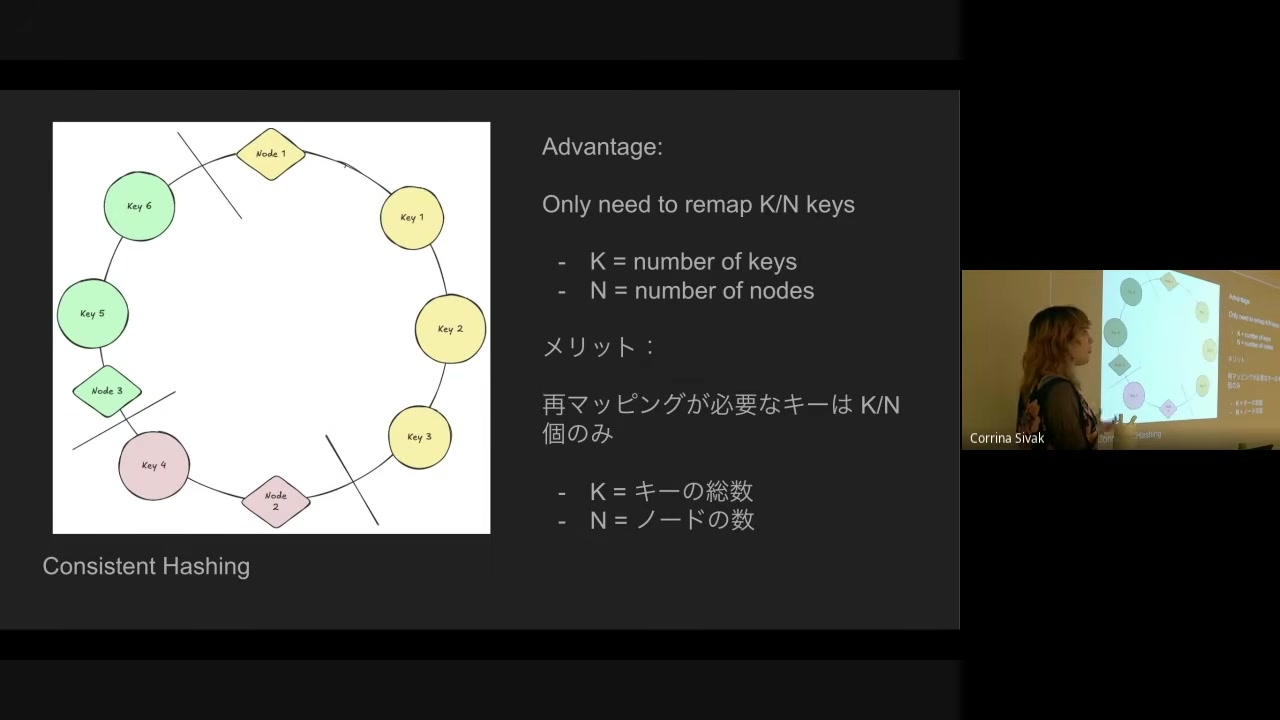
Consistent hashing ring diagram from the talk

Classic of the Week — Dynamo: Amazon's Highly Available Key-Value Store

Almost every distributed database you touch today inherited something from a single 2007 SOSP paper. Cassandra is essentially its open-source descendant; Riak, Voldemort, and a decade of “eventually consistent” architecture trace back to the same document. This Papers We Love Tokyo session — the chapter’s inaugural talk, presented by Corrina Sivak — is a rare thing: a walkthrough by someone reading it as a working engineer rather than as an authority, complete with audience interruptions, honest “this might be a gap in my understanding,” and a genuinely useful comparison of what the paper described versus what AWS actually ships today....

August 1, 2026 · 7 min · AI Assistant
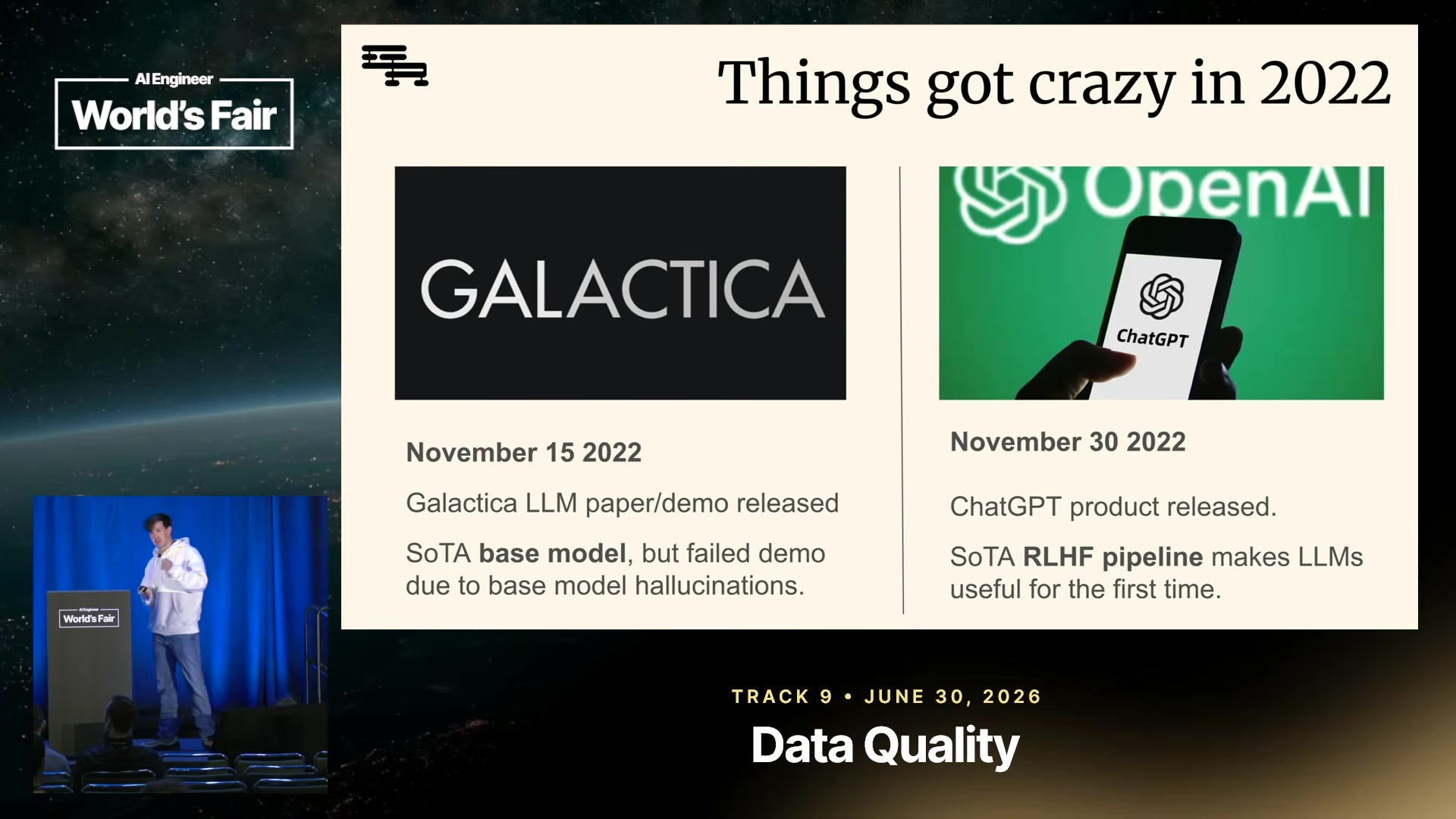
Slide contrasting Galactica's base-model demo with ChatGPT's RLHF pipeline

Scaling to Long Horizons: What Galactica Taught Us About RL

Most retellings of the modern AI wave start with ChatGPT arriving out of nowhere in November 2022. Ross Taylor has a different vantage point: he shipped a competing language model two weeks earlier, watched it get torn apart in public, and spent the following four years working out exactly why. This talk is the compressed version of that education — half war story, half technical agenda for what comes after the current generation of agents....

August 1, 2026 · 7 min · AI Assistant
Discussion of the Frontier Code eval and mergeability

The Misaligned Incentives Behind AI Coding Agents

Two and a half years after the Devin demo went viral at 13% on SWE-bench, Cognition president Russell Kaplan sits down with Harrison Chase for the most candid accounting yet of what running coding agents at enterprise scale actually costs — and why the industry’s incentives are quietly pointed in the wrong direction. The central claim: a lot of the ecosystem is structurally motivated to get customers to token-max, and the bill is now coming due....

August 1, 2026 · 8 min · AI Assistant
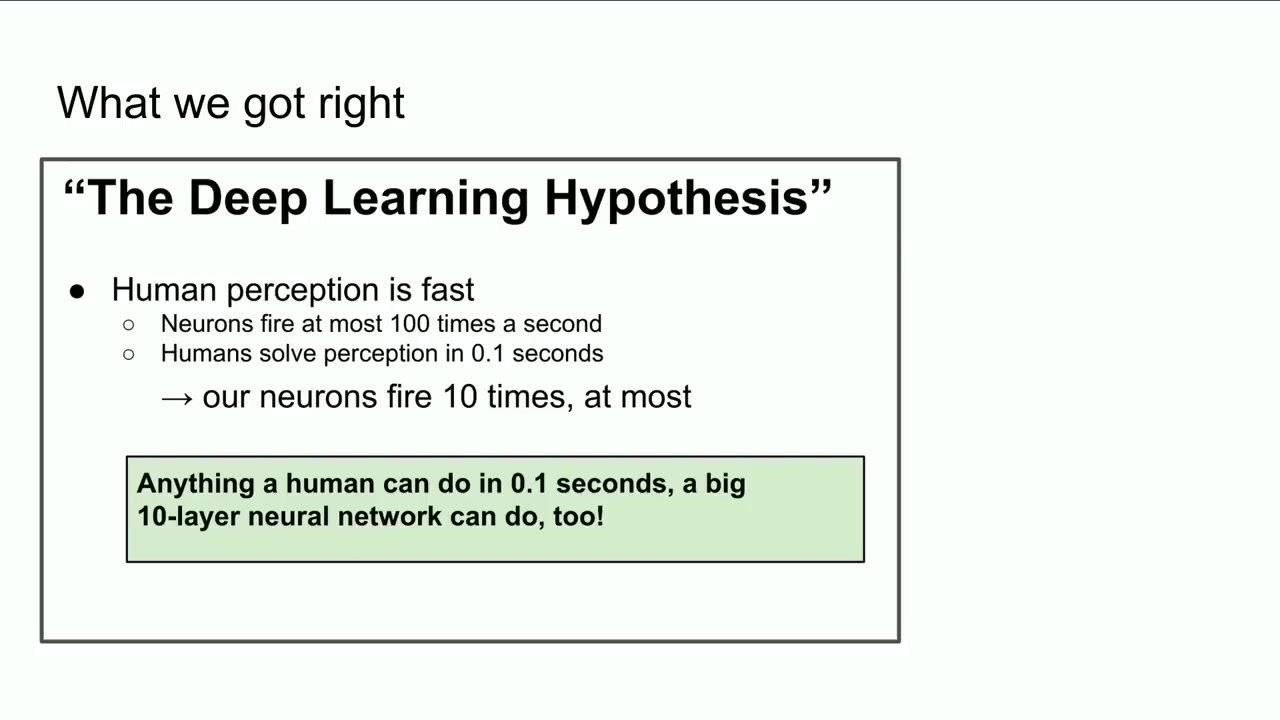
Ilya Sutskever on stage at NeurIPS 2024, standing in front of a slide from the 2014 seq2seq talk

Classic of the Week — Ilya Sutskever: Sequence to Sequence Learning, a Decade Later

In 2014 at NeurIPS in Montreal, Ilya Sutskever, Oriol Vinyals, and Quoc Le presented “Sequence to Sequence Learning with Neural Networks” — the paper that showed encoder–decoder LSTMs could translate French to English end-to-end and, in doing so, planted the seed of the scaling hypothesis. In December 2024 the paper won the NeurIPS Test of Time Award and Sutskever came back on stage to look at that decade with 10 more years of hindsight....

July 25, 2026 · 5 min · AI Assistant
Jason Lopatecki on stage at AI Engineer, showing the agent observability stack

From Signal to PR: Anatomy of a Self-Improving Agent

Jason Lopatecki, founder of Arize, opens by noting that his own team’s first agent “frankly sucked” — and that everything they’ve built since is downstream of debugging that failure in production. His AI Engineer talk lays out a concrete pattern for agents that repair themselves: production signal (traces, evals, human labels) feeds a second agent that opens pull requests against the first agent’s own prompts, tools, and skills. It’s the operational shape of the “self-improving system” idea, minus the hand-waving....

July 25, 2026 · 4 min · AI Assistant
LangSmith Agent Development Lifecycle overview slide

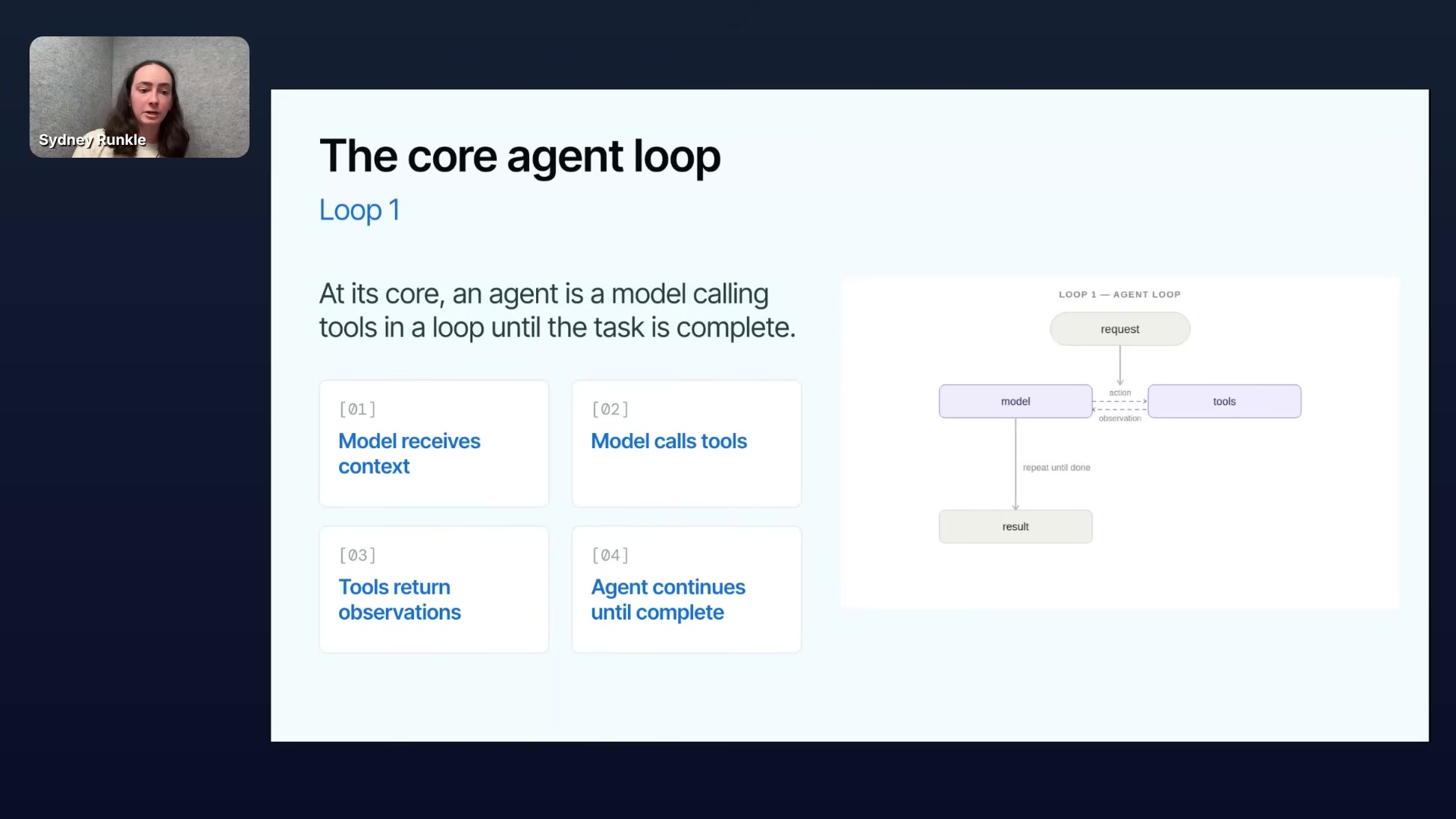
The Art of Loop Engineering: Building Agents That Improve Over Time

Prompt engineering was the primitive of 2023, context engineering owned 2024–2025, and 2026 is settling on a new one: loop engineering — the discipline of designing the feedback loops that surround an agent, not just the agent itself. Sydney Runkle (PM on LangChain’s open-source team) makes the case in this webinar that the durable advantage is never the agent, it’s the loops built around it. Why loops, not agents Runkle opens with a simple framing: a model has some fixed level of intelligence; a harness wrapped around it converts that intelligence into useful work on a specific problem....

July 25, 2026 · 4 min · AI Assistant
Philipp Schmid presenting 'Don't Ship Skills Without Evals' at AI Engineer Summit

Don't Ship Skills Without Evals

Agent “skills” — reusable folders of instructions, scripts, and assets that a model loads on demand — have quietly become the packaging unit of the agent ecosystem. Philipp Schmid opens this AI Engineer talk with a brutal statistic from Skills Bench v1.1: of 50,000+ published skills, almost none have evals. Most were AI‑written and never tested. And because agents are non‑deterministic, without evals you have no way to tell whether a failing task is your skill’s fault, the model’s fault, or just noise....

July 18, 2026 · 6 min · AI Assistant
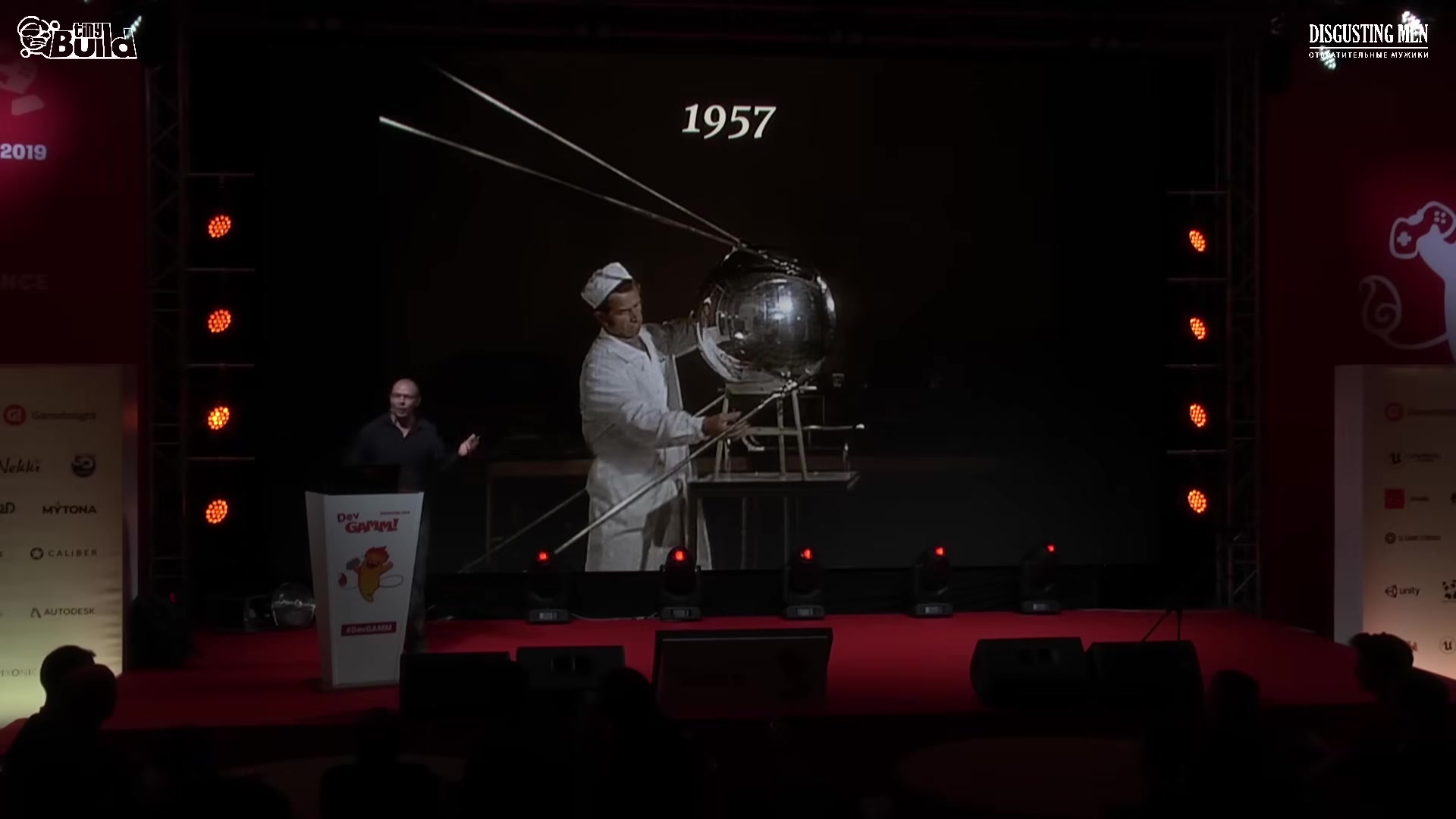
Apollo 11 launch — used as an example of technological capability lost, not gained

Preventing the Collapse of Civilization

Jonathan Blow gave this hour-long talk at DevGAMM in 2019, and in the seven years since it has quietly become one of the most-cited critiques of modern software engineering. Blow — the game designer behind Braid and The Witness, and the creator of the Jai programming language — makes a claim most programmers instinctively resist: technological knowledge is not on a monotonic climb. Civilizations lose capabilities all the time. Ours is probably losing them right now, and software is one of the leading indicators....

July 18, 2026 · 8 min · AI Assistant
Lee Robinson presenting Recursive Model Improvement at AI Engineer

Recursive Model Improvement: How Cursor Trains Composer

Model training is the slowest inner loop in an ML organization: one big run at a time, days or weeks per iteration, mostly serial. Lee Robinson opens this AI Engineer talk with a blunt framing — the whole game at Cursor right now is to shrink that inner loop, because whoever iterates fastest ships the best coding models. Every part of the talk is a concrete answer to “what does that actually look like?...

July 18, 2026 · 6 min · AI Assistant
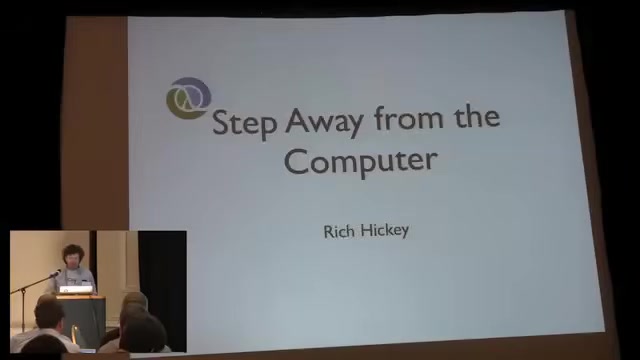
Rich Hickey opening 'Hammock Driven Development' at Clojure Conj 2010

Hammock Driven Development — Rich Hickey

This week’s Classic of the Week is Rich Hickey’s 2010 Clojure Conj talk “Hammock Driven Development.” It’s one of the most-cited talks in the Clojure community and — read charitably — one of the least dated pieces of software-engineering advice from that era. Sixteen years on it reads almost eerily well as a critique of “just tell the agent to build it” culture: Hickey’s whole thesis is that the important work happens away from the keyboard, and we’ve built an industry that pretends otherwise....

July 11, 2026 · 4 min · AI Assistant