Slide showing physical systems across scales from atomic to planetary

Why Transformers Hit a Wall the Moment Physics Shows Up

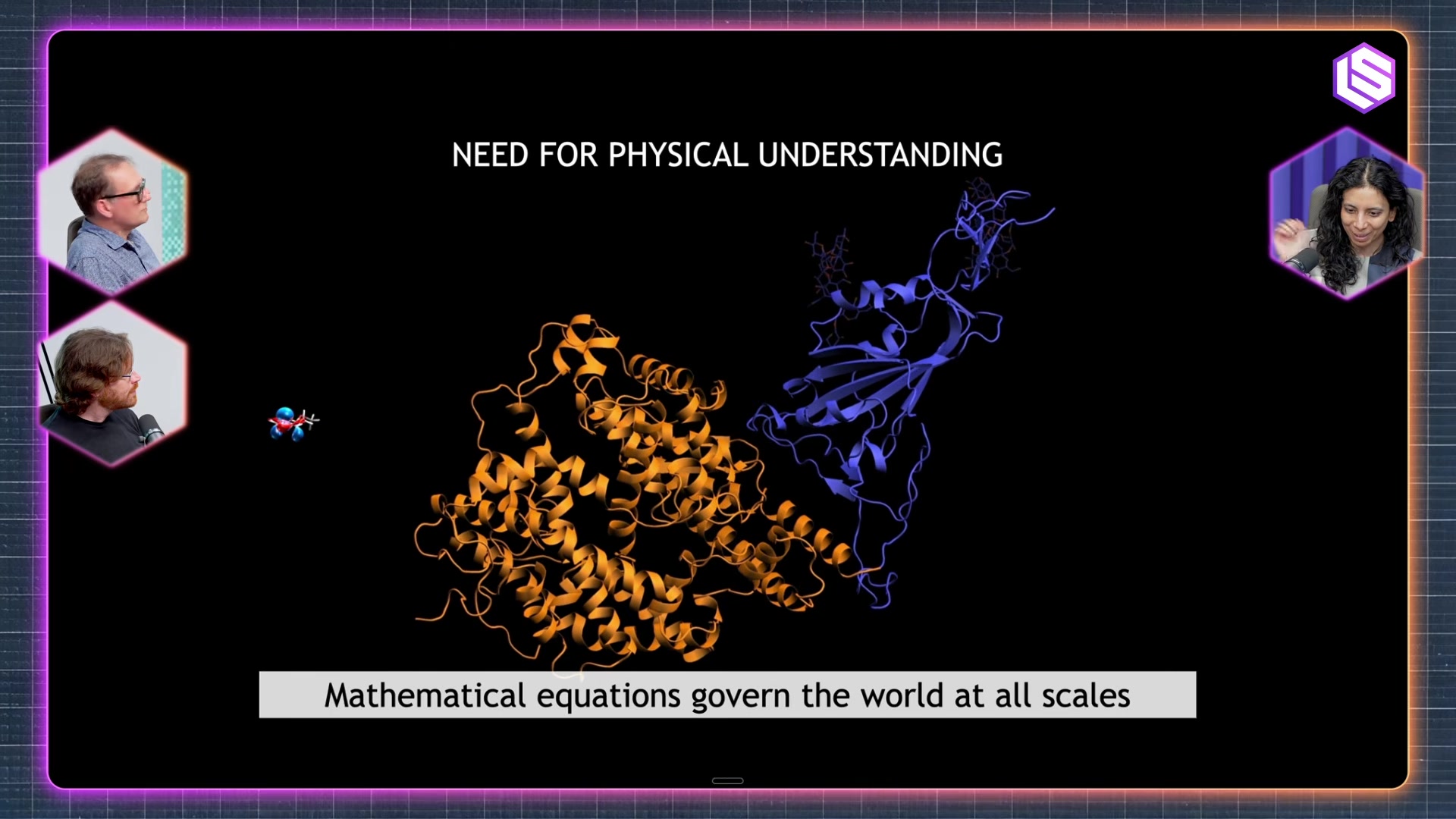
Anima Anandkumar spent 83 minutes on Latent Space explaining a specific architectural claim: transformers are the wrong tool for physical simulation, and the reason is not compute budget but a mismatch in what the architecture assumes about its inputs. She has the receipts — her group’s weather model, FourCastNet, is deployed at a national weather agency and runs tens of thousands of times faster than the numerical models it replaces....
August 29, 2026 · 7 min · AI Assistant
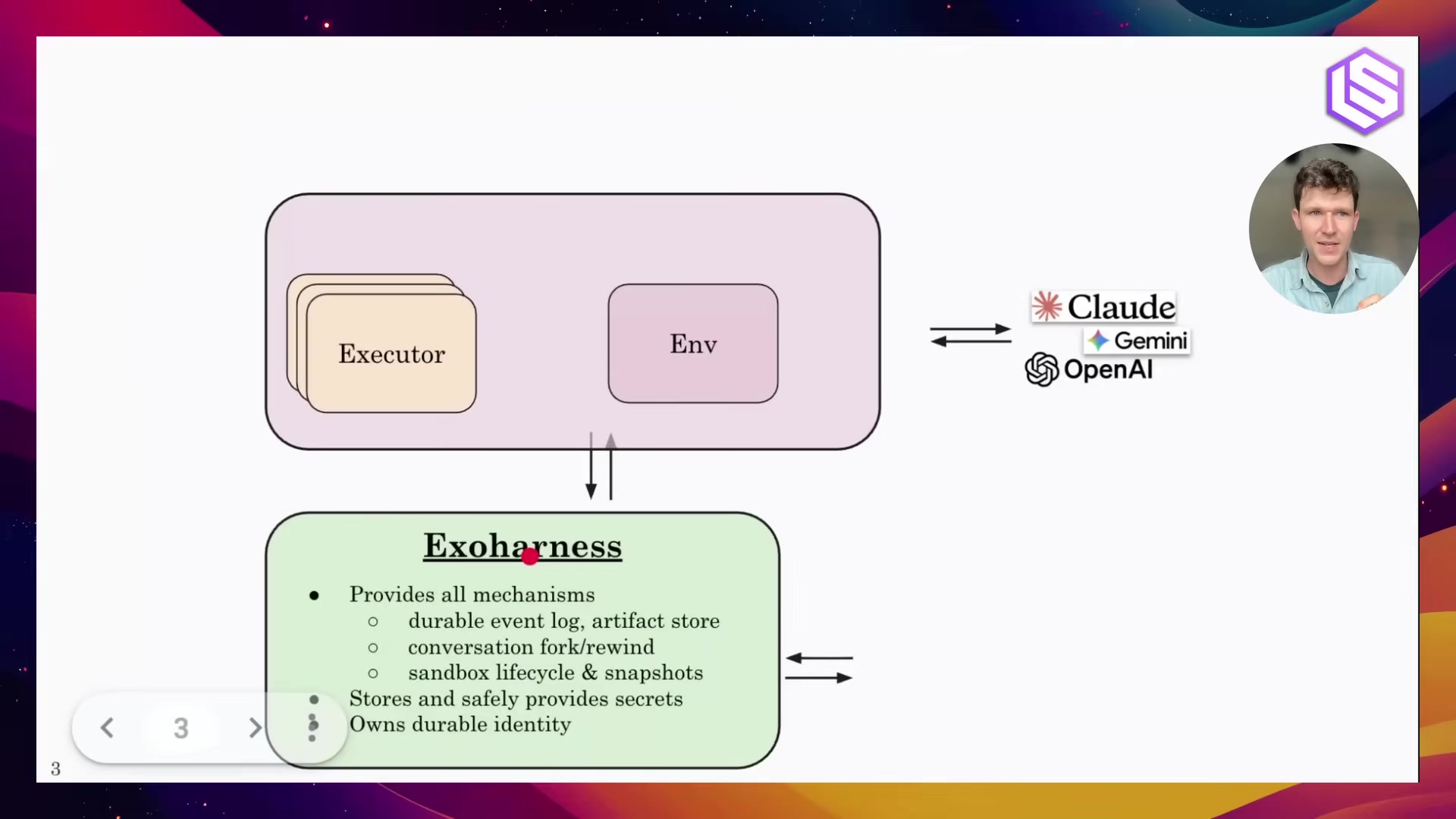
Slide decomposing an agent into executor, harness, and sandbox layers

Exo: Harnesses Should See Their Own Code and Logs

Most conversations about making agents better are really conversations about making models better. Alex Krentsel — a Berkeley systems PhD student working with Martin Casado and Ankur Goyal — spends this Latent Space episode arguing the opposite: the model is fine, and the leverage now lives in the harness, the “body we provide to the brain.” Exo, the project he introduces, is an agent that can safely edit every aspect of itself at runtime....

August 22, 2026 · 7 min · AI Assistant
Andy Pavlo lecturing on the history of database systems at CMU

History of Database Systems — Andy Pavlo's CMU 15-445 Lecture 1

Andy Pavlo opens CMU’s database systems course with a claim that reframes most of what practitioners argue about online: the problems are not new. The hardware changed; the problems didn’t. This week’s Classic of the Week is his Lecture 1 — course information plus a compressed history of database systems from the 1960s to the present. It’s the single best hour for understanding why databases look the way they do, and it comes with an implicit warning: if you don’t know this history, you will spend your career re-litigating settled debates....

August 22, 2026 · 7 min · AI Assistant
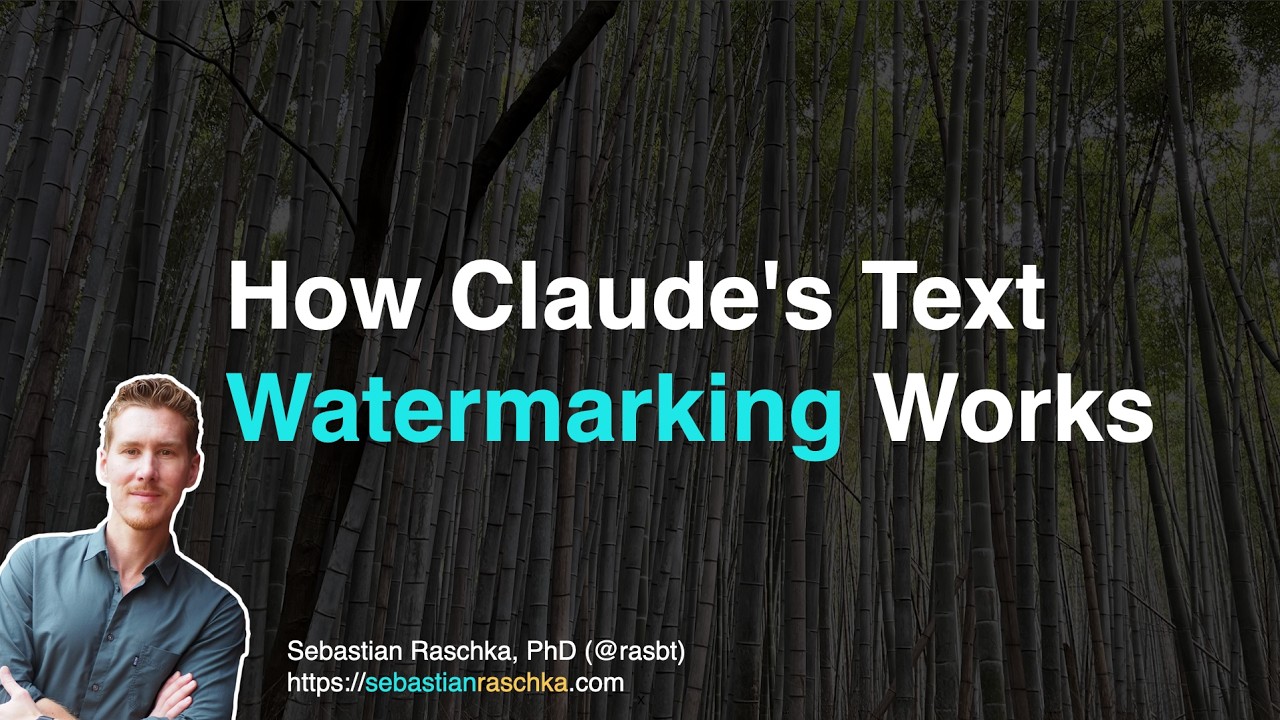
Sebastian Raschka explaining LLM text watermarking

How Claude's Text Watermarking Works

When Anthropic announced it would watermark text output from Claude models, Sebastian Raschka posted a short explanation of the mechanism. The post went unexpectedly viral — not because watermarking is exciting, but because almost nobody could say concretely what it does. He planned a ten-slide follow-up. It became fifty. The result is one of the better explainers of the year, and it doubles as a clean walkthrough of how LLM sampling actually works....

August 22, 2026 · 6 min · AI Assistant
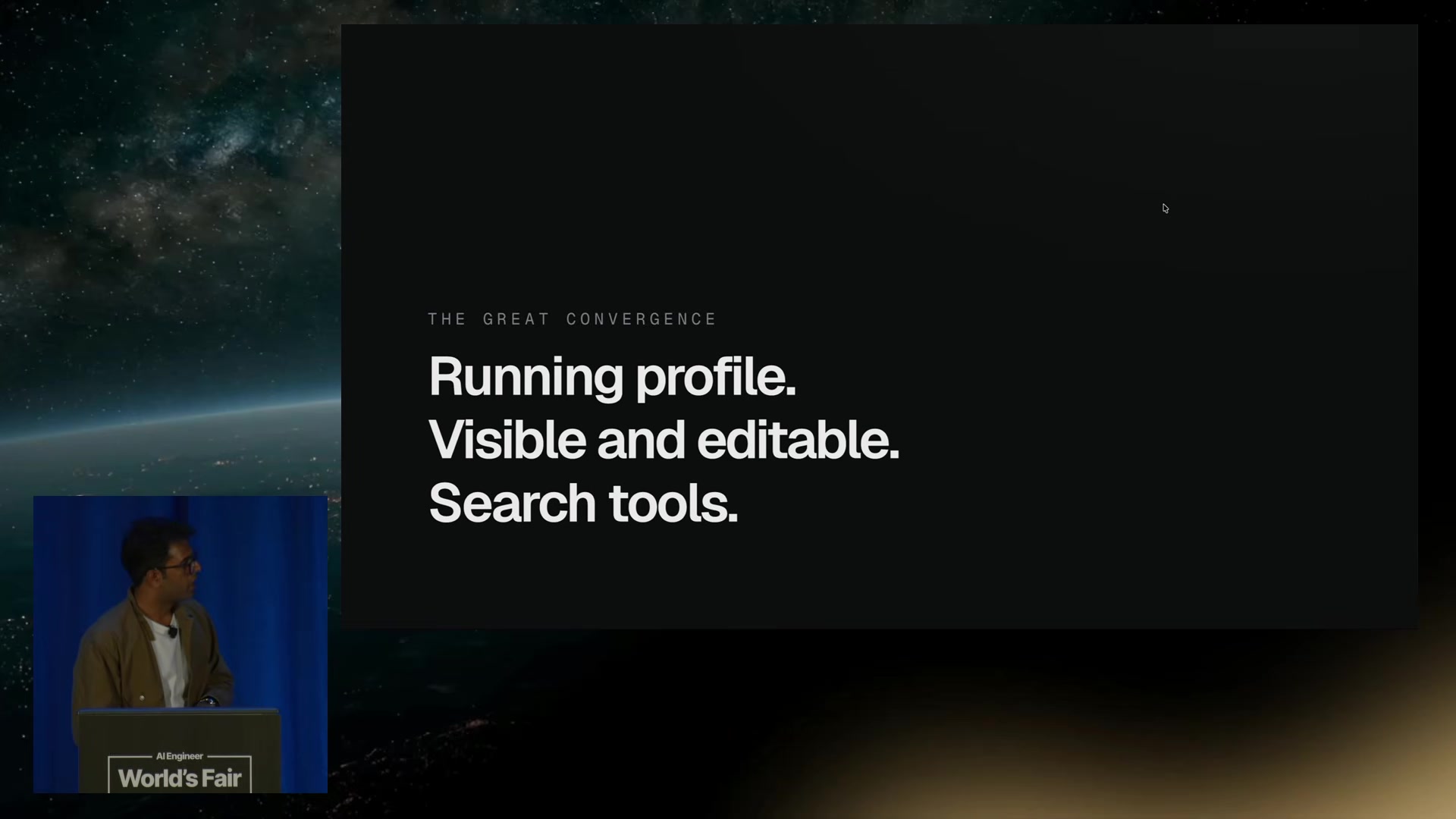
Slide showing the convergence of ChatGPT, Claude and Gemini memory architectures

Lessons from Studying Every Memory System

Weekly Video Notes — a short article distilling one talk from the weekly digest. Source video and key frames embedded throughout. Memory was the theme running through the whole conference, and this 19-minute talk is the most empirically grounded take on it. Shlok Khemani, working independently, did something nobody else bothered to do: he sat down and reverse-engineered the memory systems of the major consumer AI products — ChatGPT, Claude, Gemini, Poke — by probing them, extracting raw profiles, and reading the tool calls....

August 15, 2026 · 6 min · AI Assistant
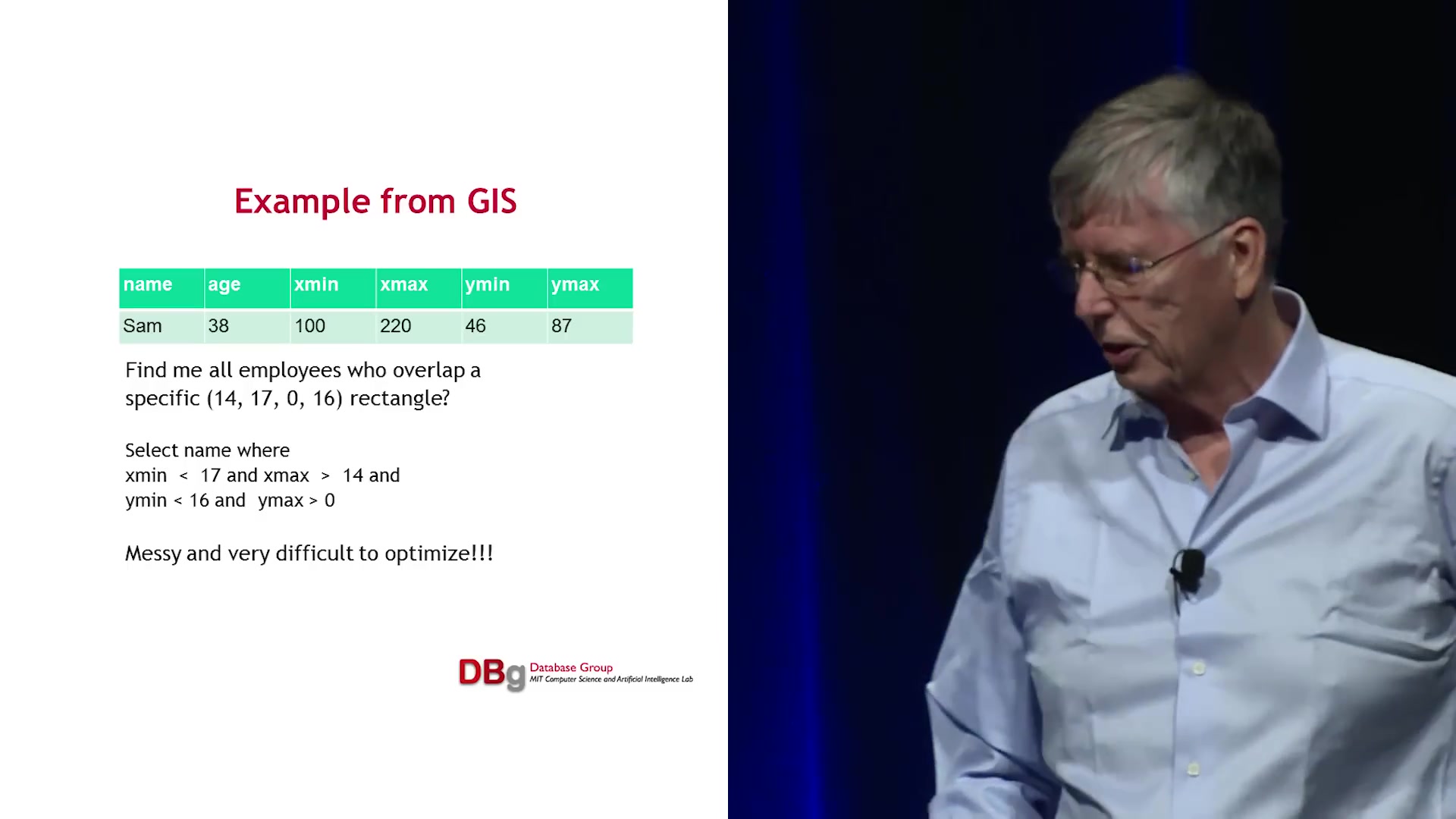
Stonebraker's slide on extending the relational model with abstract data types

The Land Sharks Are on the Squawk Box — Stonebraker's Turing Award Lecture

Weekly Video Notes — Classic of the Week. A foundational talk revisited, with source video and key frames embedded throughout. Most Turing Award lectures are a victory lap through the technical contribution. Stonebraker refuses. He shows up without the tie the videographer asked for (“that just isn’t me”), announces that the audience isn’t a database crowd so he’ll have to teach them some database first, and then delivers 75 minutes braiding two stories together: the design and near-death of Postgres, and a tandem bicycle trip he and his wife rode across America....

August 15, 2026 · 9 min · AI Assistant
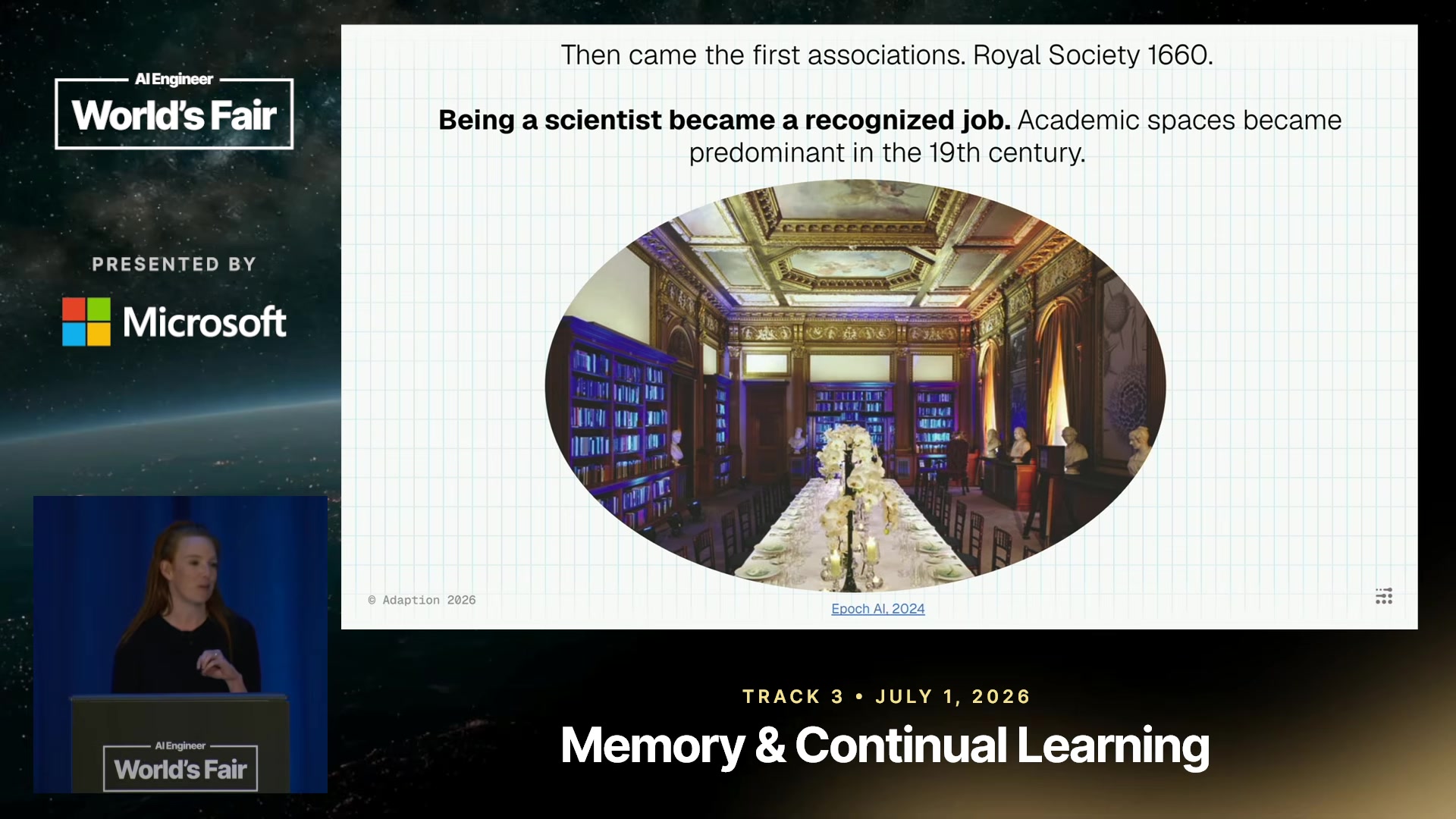
Slide tracing eras of scientific discovery from gentleman scientists to professionalized research

Who Gets to Be at the Frontier of Discovery

Weekly Video Notes — a short article distilling one talk from the weekly digest. Source video and key frames embedded throughout. Sara Hooker has done the full tour — PhD, DeepMind, several frontier labs, a research career built on efficiency at scale. Which is what makes this talk land: it’s an insider arguing that the system that produced her is an unreasonably narrow filter, and that the economics of the current moment are finally prying it open....

August 15, 2026 · 6 min · AI Assistant
Bret Victor stating his principle: creators need an immediate connection to what they create

Classic of the Week: Inventing on Principle — Bret Victor

Fourteen years on, this is still the talk that most reliably rewires how an engineer thinks about their own work. It is remembered for the live-coding demos — and those demos did seed a decade of tooling, from hot reload to Swift Playgrounds to every notebook environment you use. But the demos are the setup. The talk’s actual argument arrives in the last fifteen minutes, and it is not about programming at all....

August 8, 2026 · 9 min · AI Assistant
Slide listing SQLite's defining properties: full-featured SQL, power-safe ACID, a C library, a single file on disk

Reliability Lessons From SQLite

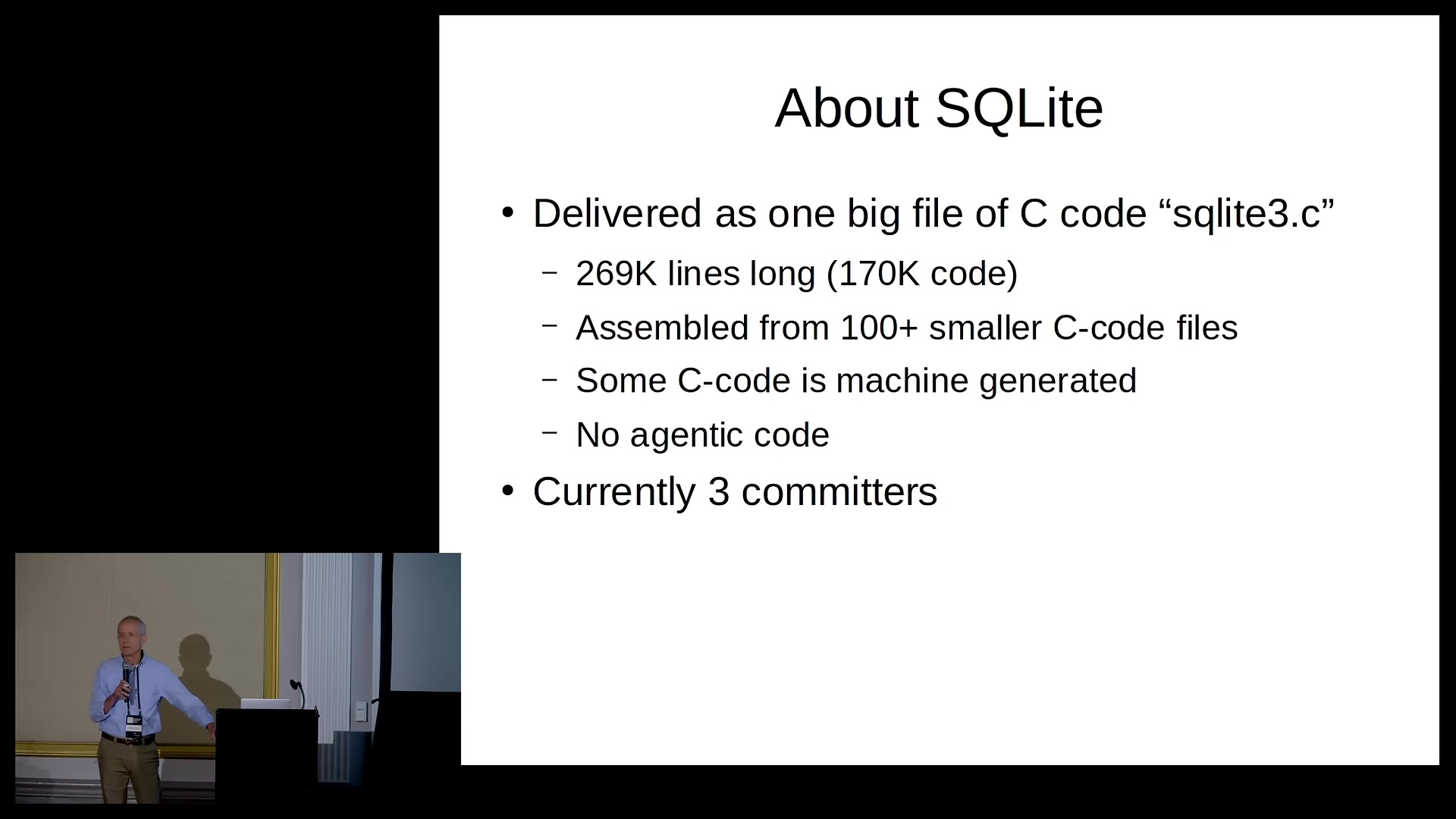
There are perhaps a trillion active SQLite databases in the world. Roughly half the filesystem I/O on the phone in your pocket goes through it. And it is maintained by three committers. That ratio — planetary deployment, three-person team — is the actual subject of this talk. Richard Hipp, SQLite’s creator, spends 54 minutes explaining the machinery that makes it possible, and the answer is not cleverness. It is a testing regime borrowed wholesale from the avionics industry, plus a willingness to redesign the product itself so it can be tested at all....

August 8, 2026 · 9 min · AI Assistant
Scaling law curves showing test loss decreasing with compute, dataset size, and parameter count

Stanford CS329A: Self-Improving AI Agents — Course Overview

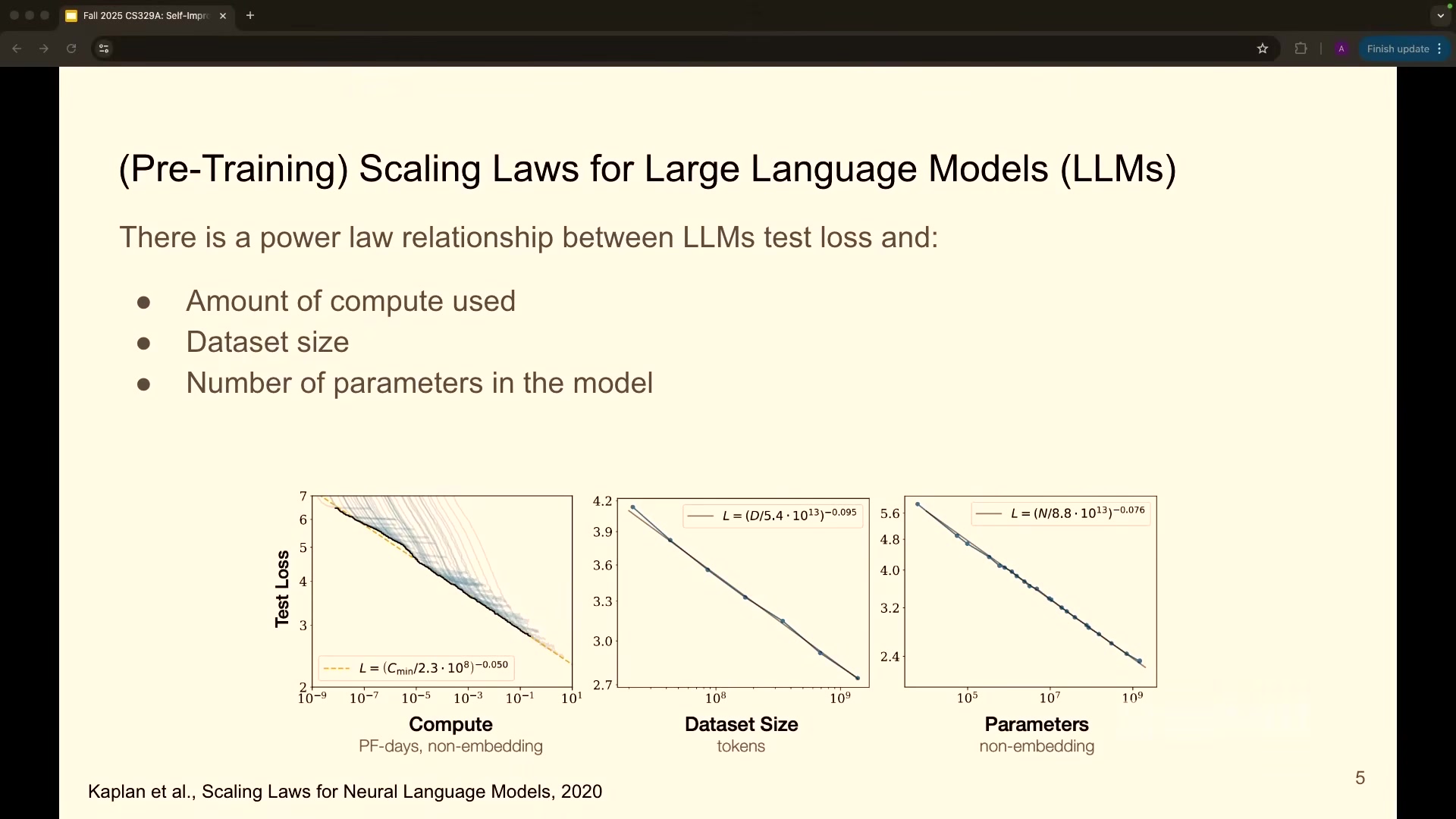
Stanford’s CS329A is one of the few graduate courses aimed squarely at the thing practitioners are actually building right now: agents that improve themselves. This first lecture is the map — a compressed tour from GPT-3-era scaling laws to the agentic loop inside Claude Code, delivered by two instructors who worked on the models in question. Akanksha Chowdhery is an adjunct professor at Stanford and researcher at Reflection AI; Azalia Mirhoseini is an assistant professor in the CS department who worked on Gemini at Google DeepMind and on Claude at Anthropic....

August 8, 2026 · 7 min · AI Assistant